


What Is the Difference Between NE555P and NE555N?
Short answer: almost none.
Long answer: the difference lives in history, labeling, and supply chains, not in how your circuit works.
Engineers still ask this question because the 555 timer is everywhere. Old schematics. New hobby boards. Industrial control panels. The suffix letters P and N look important—and sometimes they are—but not in the way many people assume.
This article clears the confusion. Plain language. Real engineering context. No myths.
Understanding the NE555 Timer IC Family
The 555 timer is one of the most successful integrated circuits ever made.
Invented in 1971 by Hans Camenzind, it solved a simple problem extremely well: reliable timing. Decades later, it still does.
Why it refuses to die:
- Works from 4.5 V to 15 V
- Can source or sink high current
- Survives noisy environments
- Costs very little
- Easy to understand
You’ll find it in:
- Industrial delay relays
- Consumer products
- Toys
- Alarm circuits
- DIY and educational kits
Why suffix letters exist
As the 555 spread across manufacturers, suffixes emerged to describe:
- Package type
- Temperature grade
- Lead finish
- Internal qualification
That’s where P and N entered the story.
What Do the Part Numbers NE555P and NE555N Mean?
Let’s break the name apart.
What “NE555” really defines
- NE: Original Signetics bipolar design family
- 555: The timer core (comparators, flip-flop, discharge transistor)
This defines function and electrical behavior.
What the suffix does not define
- It does not define a new circuit
- It does not change timing equations
- It does not affect pinout
What P and N usually mean
Historically:
- N = PDIP (Plastic Dual In-Line Package)
- P = Also PDIP, but used by some vendors as an internal code
Over time, these suffixes became legacy labels, not strict standards.
That’s why distributors and datasheets often mix them.
Manufacturer Differences and Branding
Texas Instruments, STMicroelectronics, ON Semiconductor, and NXP Semiconductors have all produced NE555 variants.
Important point:
NE555P and NE555N are not locked to specific manufacturers.
One vendor may use NE555P.
Another uses NE555N.
Same silicon behavior.
Minor differences can exist:
- Output saturation voltage (typical, not guaranteed)
- ESD robustness
- Internal trimming methods
But these differences stay within datasheet limits.
Functionally? Identical.
Electrical Specifications: Are They Electrically Different?
No—not in any meaningful way.
Here’s what matters electrically:
- Same pinout
- Same operating voltage range
- Same output drive capability
- Same timing equations
Guaranteed vs typical specs

Datasheets list:
- Guaranteed limits (what you can rely on)
- Typical values (what usually happens)
Different vendors may publish slightly different typical numbers.
The guaranteed limits overlap completely.
Absolute maximum ratings
When you compare:
- Supply voltage
- Output current
- Power dissipation
You’ll find no functional difference between NE555P and NE555N.
Package, Materials, and Physical Characteristics
Both parts are almost always:
- DIP-8
- 0.3-inch body width
- Standard through-hole footprint
Subtle physical differences
Depending on vendor and production year:
- Lead finish: SnPb or matte tin
- Molding compound color
- Marking font and logo
None of these affect circuit behavior.
PCB compatibility
Drop-in compatible. No layout change required.
RoHS, Lead-Free, and Environmental Compliance
This is where suffix confusion increases.
Old assumption
- “N = leaded”
- “P = something else”
Modern reality
Compliance is vendor-specific, not suffix-specific.
One NE555P may be:
- RoHS compliant
- Lead-free
- REACH compliant
Another NE555N may be:
- Leaded
- Non-RoHS
- Intended for legacy markets
Always check:
- Distributor compliance notes
- Manufacturer ordering code
Never assume compliance from P or N alone.
Temperature Grade and Qualification
Most NE555P and NE555N parts are:
- Commercial grade
- 0°C to 70°C (sometimes 85°C)
Industrial or automotive-grade 555s:
- Use different part numbers
- Often prefixed with SE or vendor-specific codes
- Sometimes come in ceramic packages
Common myth
“NE555N is industrial, NE555P is commercial.”
This is false.
Temperature rating is defined by the full ordering code, not the last letter.
Pin Compatibility and Drop-In Replacement
Yes. 100% pin-to-pin compatible.
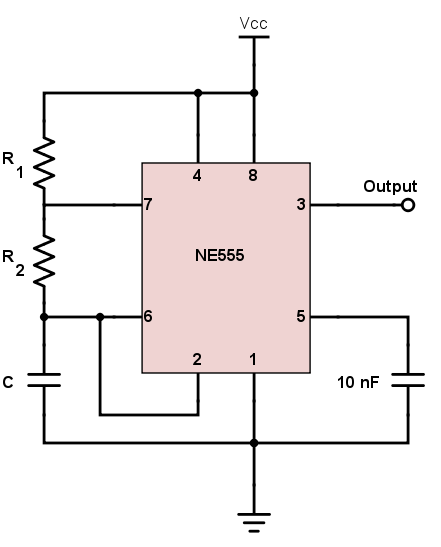
Pin functions:
- GND
- TRIG
- OUT
- RESET
- CTRL
- THRESH
- DISCH
- VCC
No exceptions.
Edge cases to watch
- Very old designs with minimal decoupling
- Circuits operating near absolute limits
- High-temperature environments
Even then, differences are due to vendor process, not P vs N.
Performance in Real Applications

In real circuits:
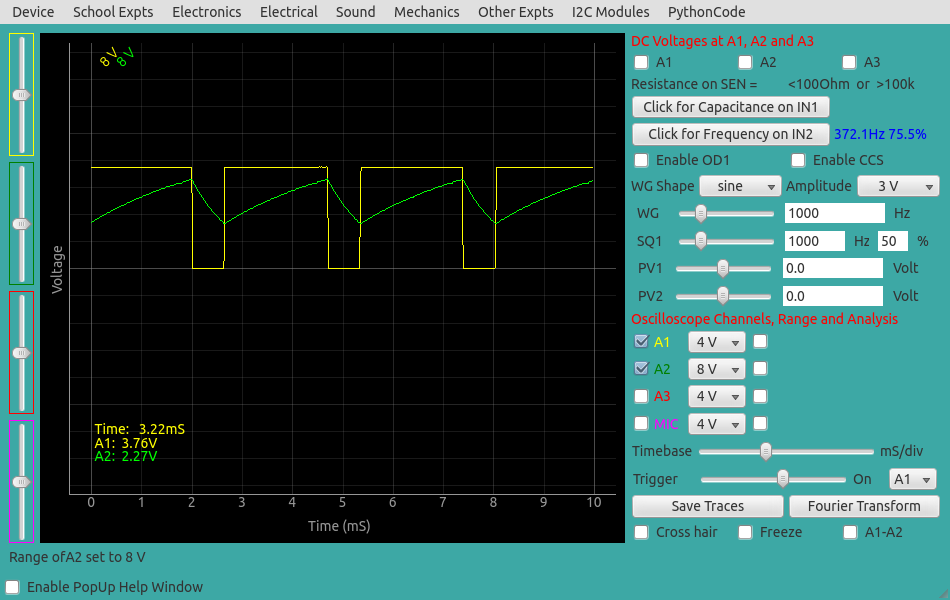
- Astable oscillators behave the same
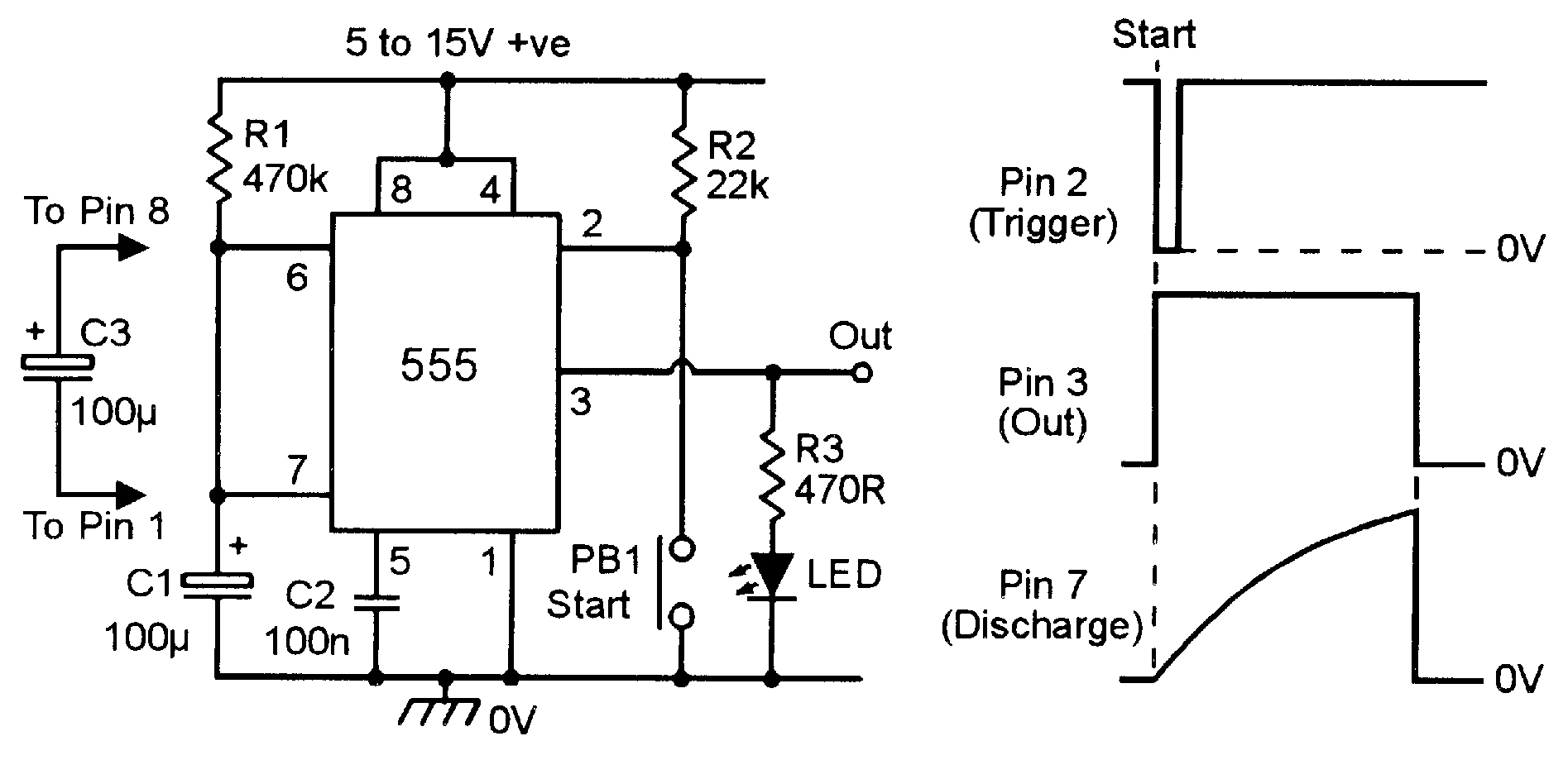
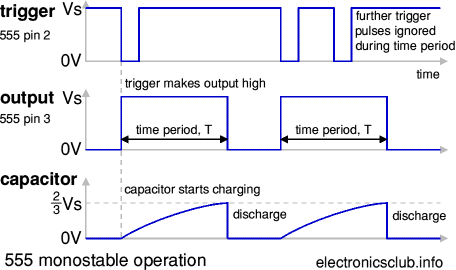
- Monostable pulse width is unchanged
- Bistable latch action is identical
When one might be preferred
- Procurement consistency
- Long-term supply agreements
- Environmental compliance needs
Not electrical performance.
Quick Comparison Table: NE555P vs NE555N
| Feature | NE555P | NE555N |
|---|---|---|
| Core circuit | Same | Same |
| Package | DIP-8 | DIP-8 |
| Pinout | Identical | Identical |
| Voltage range | 4.5–15 V | 4.5–15 V |
| Timing behavior | Same | Same |
| RoHS status | Vendor-specific | Vendor-specific |
| Drop-in replacement | Yes | Yes |
Comparison With Other 555 Variants
| Variant | Type | Power Use | Notes |
|---|---|---|---|
| NE555 | Bipolar | High | Classic, robust |
| LM555 | Bipolar | High | Vendor-branded equivalent |
| SE555 | Bipolar | High | Extended temperature |
| TLC555 | CMOS | Low | Better for battery designs |
| LMC555 | CMOS | Very low | High precision |
If power matters, CMOS wins.
If noise immunity matters, bipolar still shines.
Which One Should You Choose?
Here’s the truth engineers live by:
If the circuit calls for NE555, either NE555P or NE555N will work.
Choose based on:
- Availability
- Compliance requirements
- Trusted distributor
- Long-term sourcing
Ignore the suffix myth.
Trust the datasheet.
Design with margins.
The 555 timer has survived for over 50 years because it is forgiving, stable, and interchangeable.
NE555P vs NE555N?
Different labels. Same legend.
