

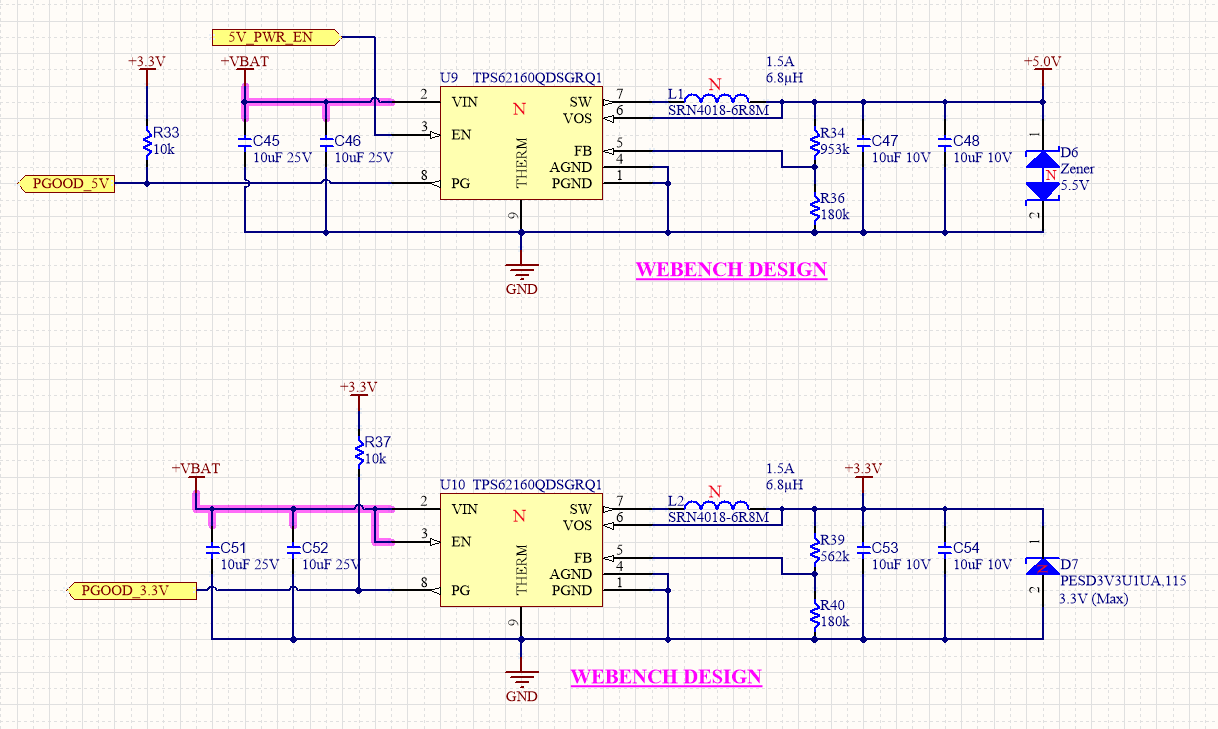


TPS62160 Low-Power IoT Power Management: High-Efficiency Buck Conversion Explained
Low-power IoT design is a game of extremes.
Microamps versus milliamps.
Years of battery life versus seconds of RF bursts.
Reliability versus cost pressure.
At the center of this balancing act sits the TPS62160, a high-efficiency synchronous buck converter from Texas Instruments. It is not flashy. It is not oversized. But in low-power IoT systems, it is quietly decisive.
As the proverb from Peter Drucker reminds us: “Efficiency is doing things right; effectiveness is doing the right things.” In IoT power design, TPS62160 aims to do both.
Below are the 8 most important H2 topics, each explained with depth, clarity, and real-world relevance—written for engineers, product teams, and system architects targeting multi-year battery life.
Understanding TPS62160 in Low-Power IoT Designs
The TPS62160 is a step-down (buck) DC/DC converter optimized for low-power, battery-driven systems. It accepts a wide input voltage and delivers a tightly regulated output with high efficiency, even when loads swing dramatically.
Why does this matter in IoT?
IoT devices do not behave like desktops. They sleep. They wake. They transmit. They vanish back into sleep. Power rails must follow this rhythm without wasting energy.
TPS62160 excels here because:
- It supports duty-cycled operation
- It minimizes standby losses
- It maintains clean, stable rails for MCUs, sensors, and radios
In short: it is designed for real IoT behavior, not ideal lab loads.
Key Electrical Features That Matter in IoT Power Rails
Wide Input Voltage Range
IoT nodes rarely enjoy a perfect supply.
Battery voltage sags. Harvested energy fluctuates. USB inputs are noisy.
TPS62160 operates across a wide VIN range, making it compatible with:
- Single-cell Li-ion
- Primary lithium cells
- Multi-cell alkaline packs
- Regulated upstream rails
This flexibility simplifies designs and extends usable battery life near end-of-discharge.
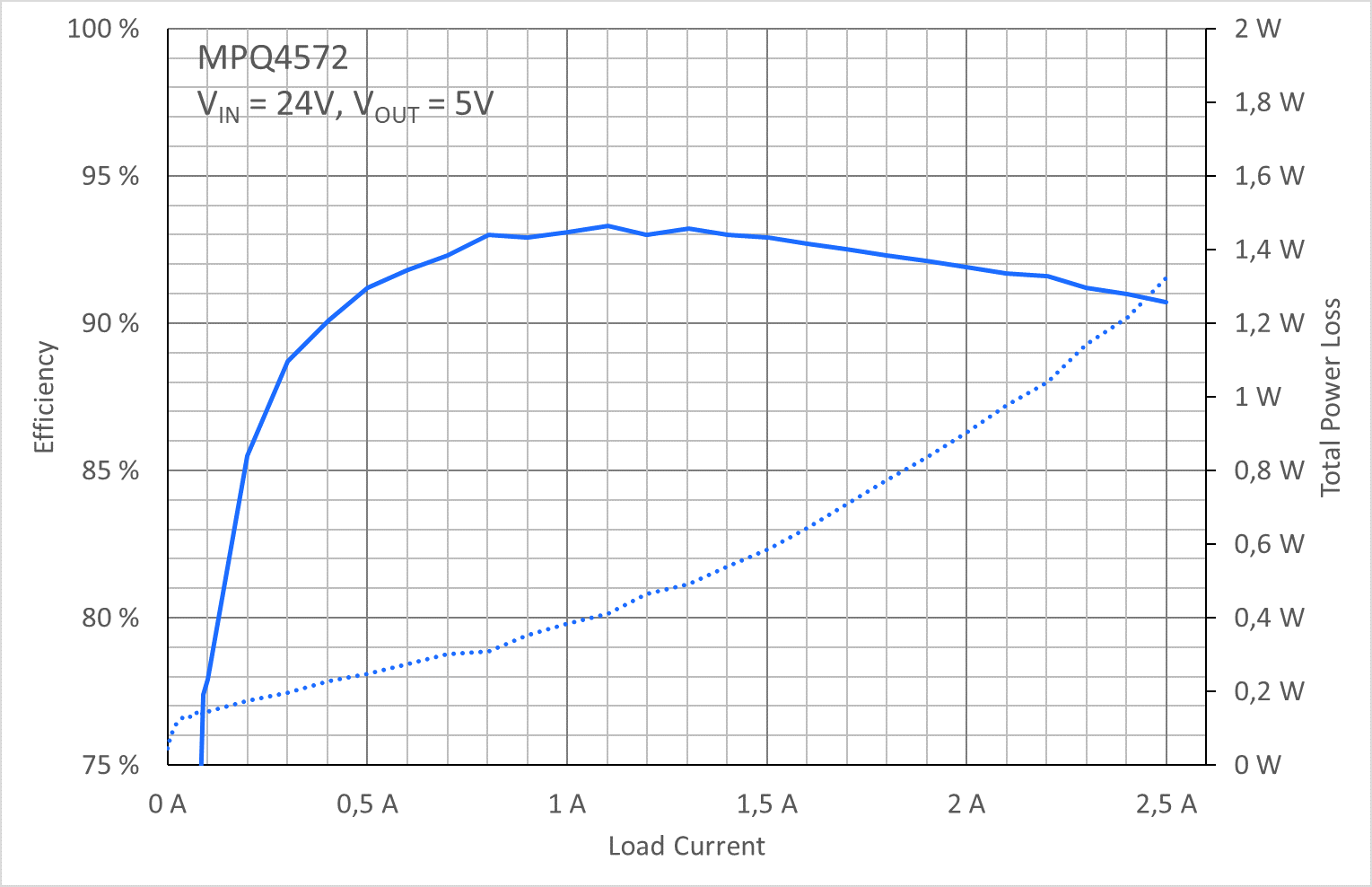
High Efficiency Across Load Range
Efficiency at peak load is easy.
Efficiency at 10 µA is hard.
TPS62160 maintains strong efficiency not only during RF transmission bursts but also during idle sensing and MCU sleep states. This balance is essential for IoT nodes that spend >99% of their life asleep.
Ultra-Low Quiescent Current and Multi-Year Battery Life
Quiescent current (IQ) is the silent battery killer.
TPS62160 achieves ultra-low IQ, especially in shutdown and light-load modes.
IQ in Shutdown vs Light-Load Operation
- Shutdown mode: minimal leakage, ideal for deep sleep
- Light-load operation: optimized switching strategy to reduce losses
Even nanoamps matter when multiplied by years.
Impact on Battery Life
Consider a sensor node sleeping for 23.9 hours per day.
Every extra microamp can shave months off operational life.
TPS62160 helps engineers realistically target 5–10 year deployments, not just marketing promises.
As Benjamin Franklin famously said: “Beware of little expenses; a small leak will sink a great ship.”
Light-Load and Power-Save Operation in IoT Systems
Automatic PWM / PFM Transitions
The device intelligently shifts between:
- PWM mode at higher loads for stability
- PFM mode at light loads for efficiency
No firmware control required. No tuning overhead.
Efficiency at Microamp Loads
This is where TPS62160 stands apart from generic buck converters.
It avoids excessive switching losses when the load is tiny—exactly the condition of sleeping IoT nodes.
Stability During Sleep–Wake Cycles
Frequent transitions can destabilize weak regulators. TPS62160 maintains regulation during:
- Deep sleep
- Rapid wake-up
- Sensor bursts
- RF transmission spikes
Output Performance for Sensitive IoT Electronics


Voltage Accuracy and Regulation
Modern IoT electronics are sensitive:
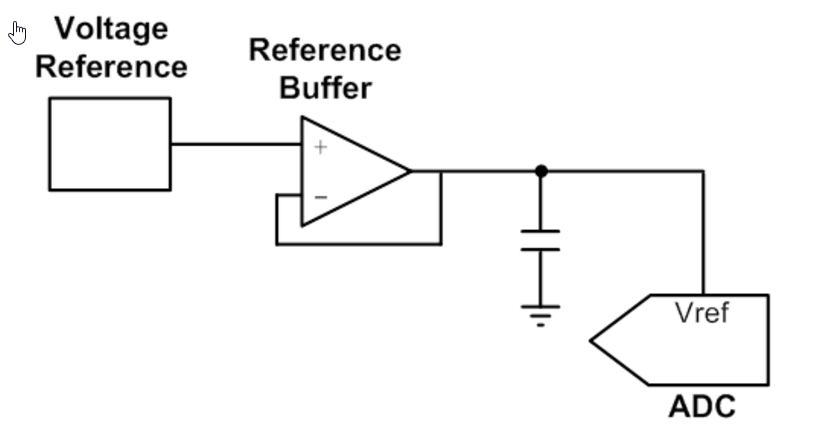
- ADC accuracy depends on rail stability
- RF modules dislike ripple
- Sensors drift with noise
TPS62160 delivers:
- Tight output tolerance
- Strong line regulation
- Predictable load regulation
Transient Response for Bursting Loads
When an MCU wakes or a radio transmits, current demand can jump instantly.
TPS62160 responds quickly, limiting voltage droop and preventing brownouts—critical for wireless reliability.
Startup, Soft-Start, and Power Sequencing
Soft-Start and Inrush Control
Soft-start limits inrush current, protecting:
- Weak batteries
- Supercapacitors
- Energy-harvesting sources
This ensures cold-start reliability, even in harsh environments.
Enable Pin and Power Gating
The enable pin allows:
- MCU-controlled power domains
- Radio sequencing
- Aggressive power gating
Leakage stays low. Control stays simple.
Battery Compatibility and Alternative Power Sources
Battery Chemistry Support
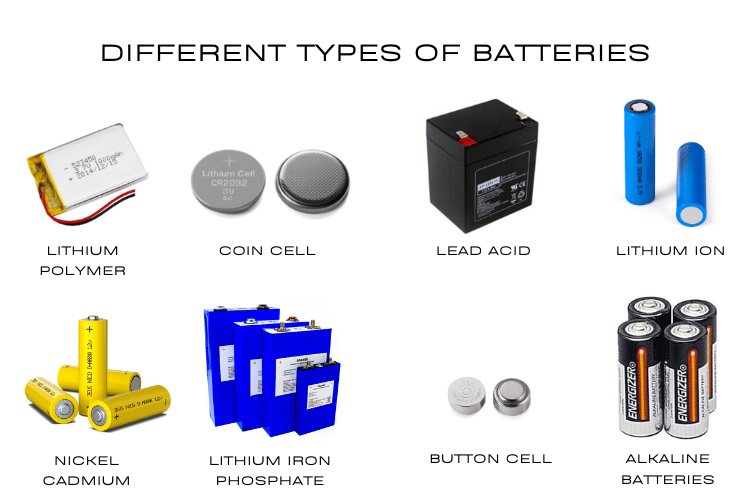
TPS62160 works well with:
- Li-ion (rechargeable)
- Li-SOCl₂ (primary lithium, ultra-long life)
- Alkaline (cost-sensitive deployments)
Its wide VIN range helps squeeze usable energy even near end-of-life.
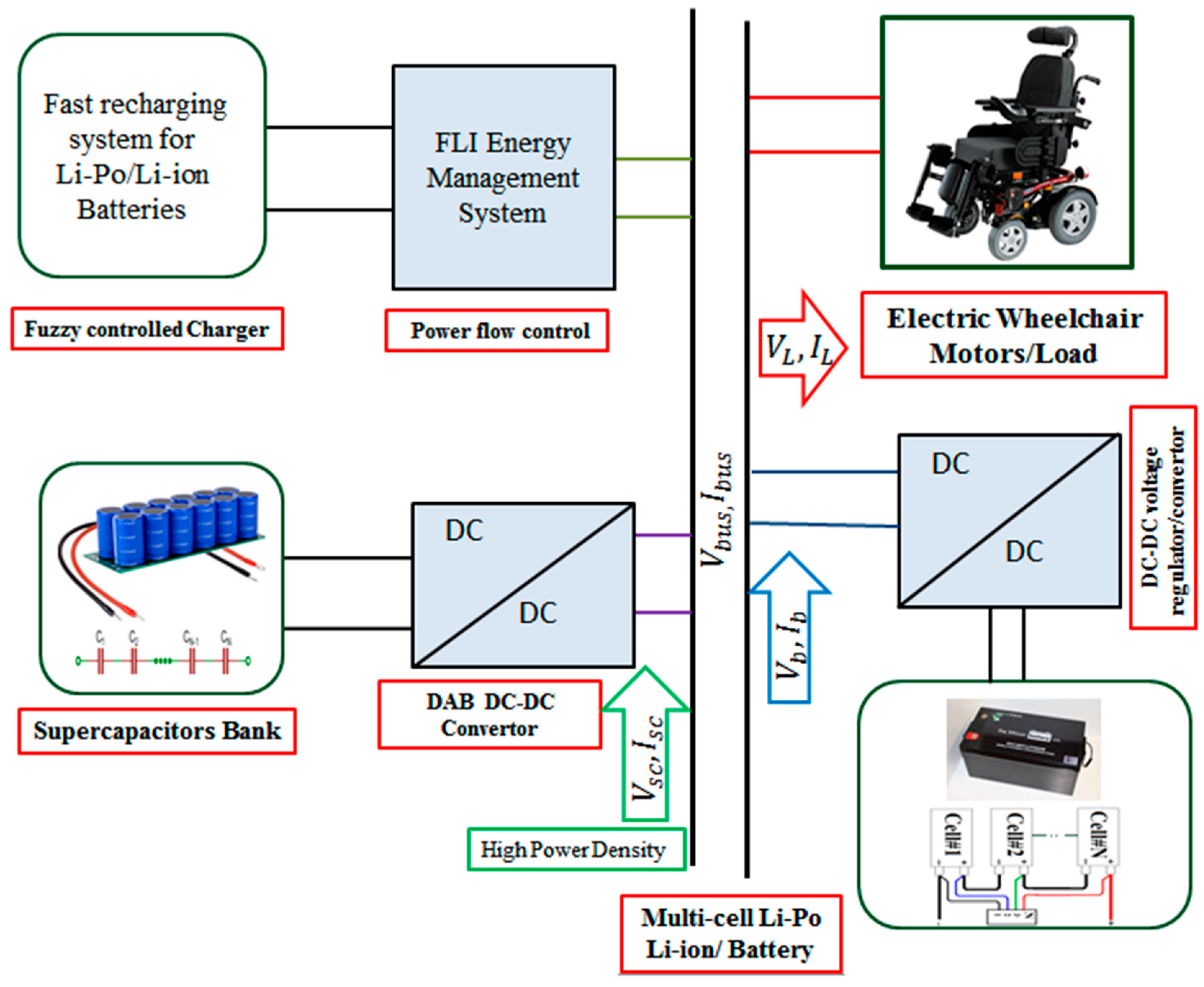
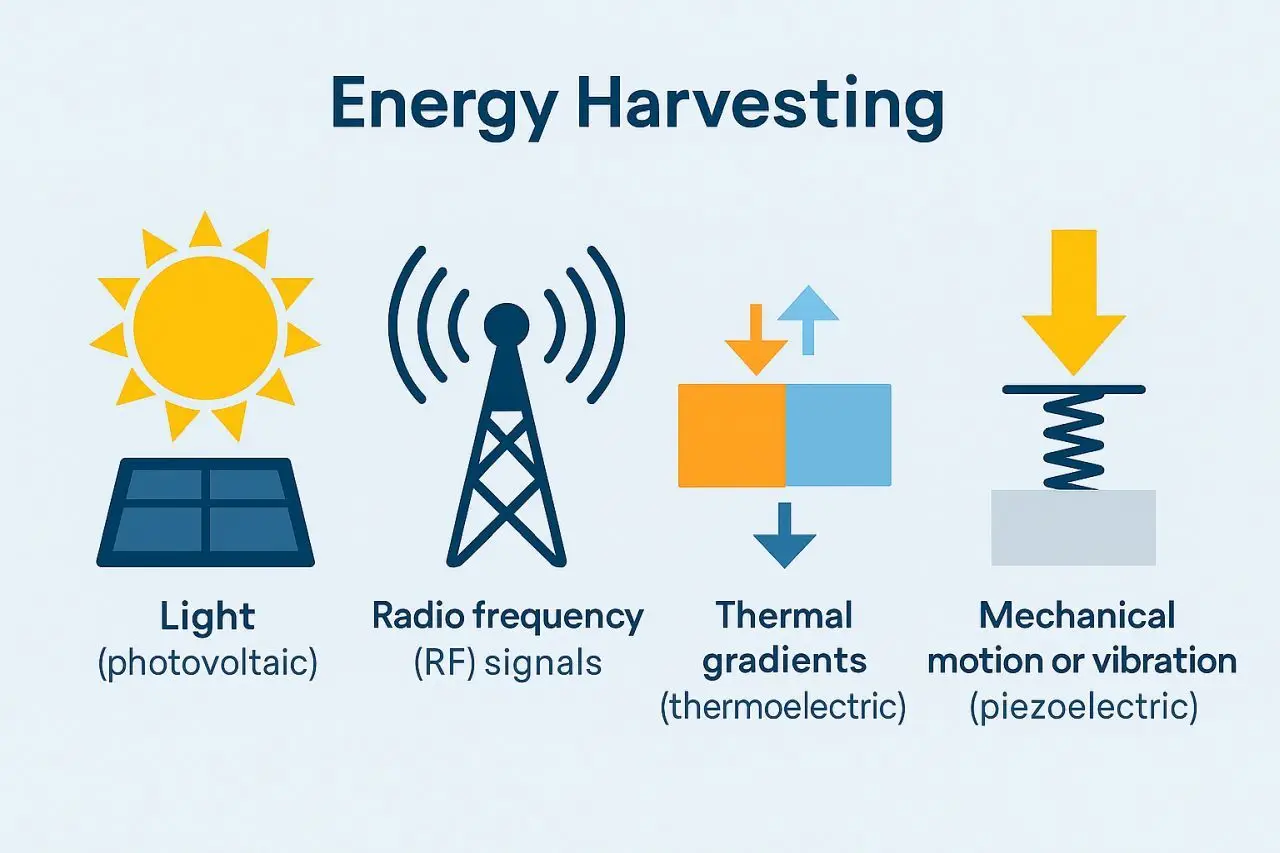
Energy Harvesting and Supercapacitors
For solar or vibration-powered IoT:
- TPS62160 tolerates fluctuating inputs
- Soft-start prevents collapse
- Clean output protects downstream electronics
Thermal Performance, Reliability, and Protection
Efficiency is not just about battery life—it is also about heat.
TPS62160’s high efficiency reduces thermal stress, even in:
- Compact enclosures
- Sealed industrial nodes
- Always-on gateways
Integrated protections include:
- Overcurrent protection
- Short-circuit protection
- Thermal shutdown with safe recovery
These features support unattended, long-term deployments in smart metering, industrial monitoring, and smart infrastructure.
Design Best Practices and Commercial IoT Viability
TPS62160 enables:
- Small PCB area
- Low external component count
- Cost-efficient BOMs
With proper layout, short loops, and solid grounding, EMI remains manageable—even in RF-heavy designs.
For mass production, it offers:
- Proven silicon
- Long lifecycle support
- Strong ecosystem tools and reference designs
As the engineering proverb goes: “Good design is obvious. Great design is invisible.” TPS62160 fits that philosophy.
Final Thoughts
TPS62160 is not just a buck converter.
It is a system enabler for low-power IoT.
It respects battery chemistry.
It understands sleep-centric workloads.
It delivers efficiency where it actually counts.
For engineers chasing multi-year battery life without compromising performance, TPS62160 remains a reliable, battle-tested choice in modern IoT power architecture.
