

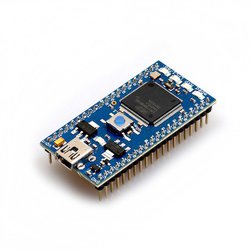
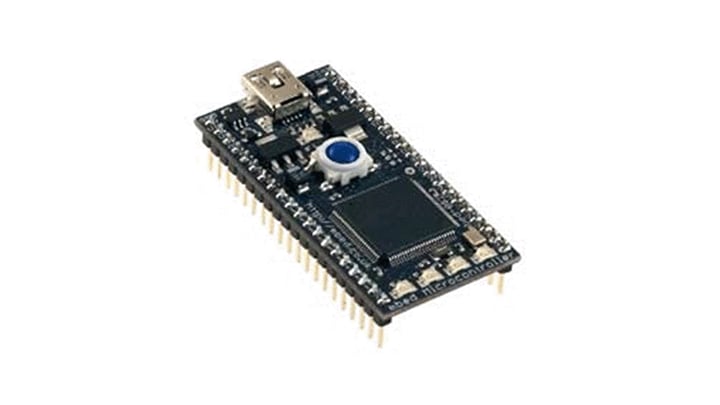
mbed LPC1768 Rapid Prototyping: Accelerating Embedded Development with a Proven ARM MCU
Rapid prototyping is no longer a luxury in embedded systems—it is a survival skill. Markets move fast. Requirements shift faster. Teams that validate ideas early win. This is where mbed LPC1768 rapid prototyping still shines, even in a world crowded with newer MCUs.
Powered by the NXP LPC1768 microcontroller and built around an ARM Cortex-M3 core, the mbed LPC1768 platform delivers a rare balance: mature silicon, rich peripherals, and a frictionless development workflow. Old does not mean obsolete. Proven often means faster.
As the proverb attributed to Peter Drucker reminds us: “The best way to predict the future is to create it.” Rapid prototyping is how embedded teams do exactly that.
Introduction to mbed LPC1768 Rapid Prototyping
Rapid prototyping shortens the distance between idea and evidence. Instead of debating architecture on whiteboards, teams flash firmware, wire sensors, and observe real behavior.
In the mbed + LPC1768 context, rapid prototyping means:
- Zero-friction onboarding via USB drag-and-drop flashing
- Immediate peripheral access without external components
- Fast proof-of-concept builds using high-level libraries
The mbed ecosystem was designed to remove ceremony. Plug in the board. Write code. Run it. For startups building MVPs or enterprises validating industrial controllers, that speed is decisive.
What Is the NXP LPC1768 Microcontroller?
At the heart of the board is the NXP LPC1768, a 32-bit MCU that became a benchmark for mid-range embedded design.
Core architecture and specifications
| Feature | LPC1768 Specification |
|---|---|
| CPU | ARM Cortex-M3 @ 100 MHz |
| Flash | 512 KB |
| SRAM | 64 KB |
| Ethernet | 10/100 MAC |
| USB | Device + Host + OTG |
| CAN | 2× CAN controllers |
| ADC / DAC | 12-bit ADC, 10-bit DAC |
The Cortex-M3 core offers deterministic interrupt latency and predictable timing—critical for real-time prototypes.
Why it remains relevant
Newer MCUs are faster. Many are cheaper. But few integrate Ethernet, USB, and dual CAN on a single, well-documented chip. For networking-heavy prototypes, the LPC1768 still punches above its weight.
mbed LPC1768 Development Board Overview
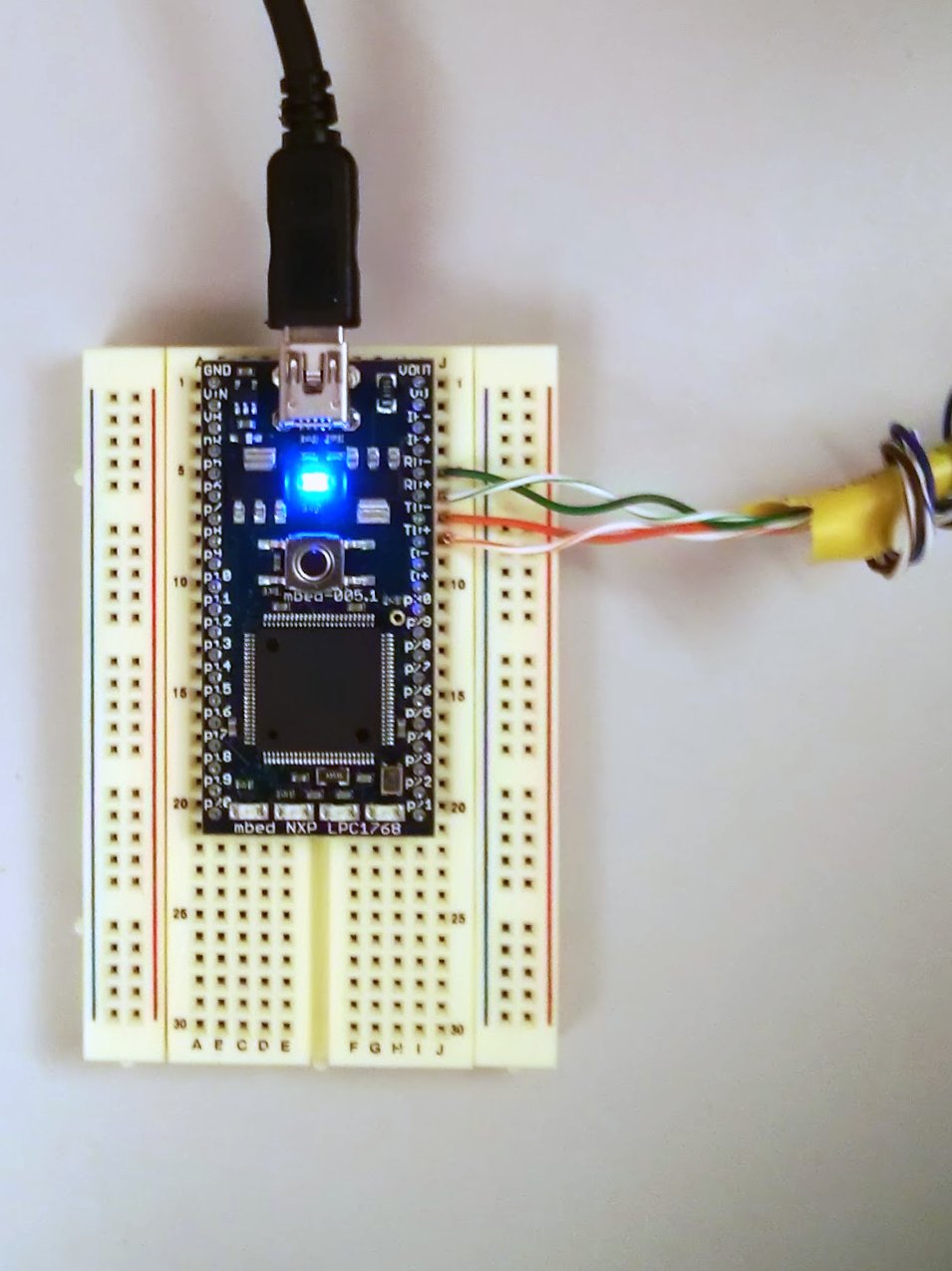
The mbed LPC1768 board was engineered for experimentation, not just evaluation.
Key hardware features
- Onboard CMSIS-DAP debugger
- USB mass-storage programming
- Ethernet RJ45 with PHY
- Breadboard-friendly dual-row headers
- Crystal-based clocking for stability
This board removes barriers. No external debugger. No proprietary cable. No driver nightmares.
How it simplifies prototyping
You are not building infrastructure. You are building ideas. The board’s integrated debug and power architecture means fewer wires, fewer mistakes, and faster iterations.
Getting Started with mbed LPC1768 Rapid Prototyping
Getting started is almost trivial—and that is the point.
Typical setup workflow
- Connect the board via USB
- It appears as a mass-storage device
- Compile firmware
- Drag the
.binfile onto the board - Reset. Code runs.
Your first “Hello World” or LED blink often takes under 10 minutes.
Online vs offline toolchains
| Option | Strength | Trade-Off |
|---|---|---|
| mbed Online Compiler | Zero setup, fast start | Internet required |
| GCC + Make | Full control | More configuration |
| Keil / IAR | Professional debugging | Licensing cost |
Speed matters early. Control matters later. LPC1768 supports both.
Software Ecosystem and Platform Support
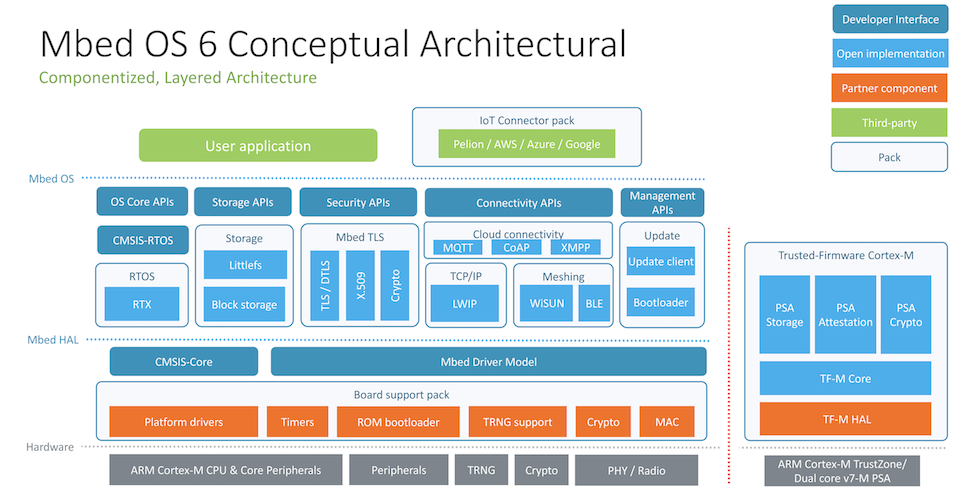
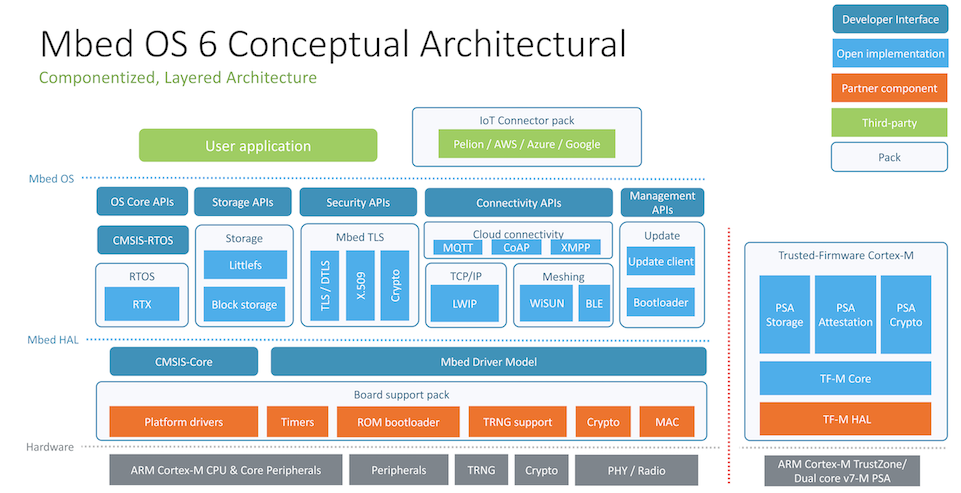
The software stack is as important as the silicon.
mbed OS advantages
- RTOS scheduling out of the box
- Networking stacks (TCP/IP, HTTP, MQTT)
- Hardware abstraction for fast portability
For rapid prototypes, abstraction is not overhead—it is leverage.
Bare-metal alternatives
When timing is tight or memory is limited, developers can bypass mbed OS entirely and use CMSIS directly. The LPC1768 does not lock you in.
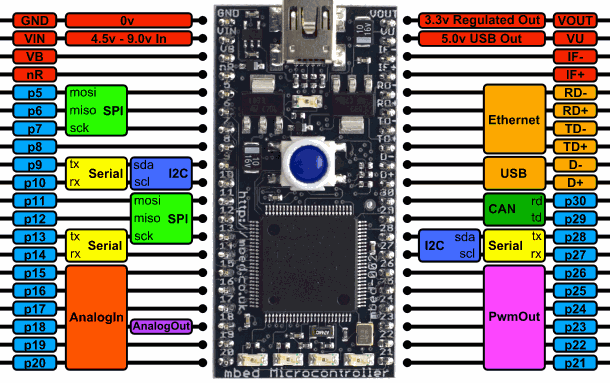
Pinout, I/O Mapping, and Hardware Expansion
The LPC1768 offers flexible pin multiplexing. One pin can serve many roles—but clarity is essential.
Key I/O capabilities
- Up to 70 GPIOs
- PWM for motors and LEDs
- 6-channel ADC
- DAC for analog output
Expansion ecosystem
The board plays well with:
- Grove modules
- Arduino-style shields (with adapters)
- Custom sensor boards
This flexibility accelerates hardware validation. You connect. You test. You move on.
Key Technical Features That Enable Rapid Prototyping
What truly accelerates development is integration.
Standout capabilities
- Ethernet MAC: no external controller
- USB host/device: keyboards, flash drives, CDC devices
- Dual CAN: industrial and automotive testing
| Feature | Prototyping Benefit |
|---|---|
| Ethernet | Immediate network validation |
| USB Host | Rapid HMI experiments |
| CAN | Industrial protocol testing |
Fewer chips. Fewer bugs. Faster insight.
Typical Applications and Prototyping Use Cases
The LPC1768 is not theoretical. It is practical.
Common rapid-prototype applications
- Industrial controllers
- Ethernet-based IoT gateways
- CAN-connected test rigs
- Data loggers with web interfaces
- University and research platforms
One board. Many experiments.
As Linus Torvalds famously said: “Talk is cheap. Show me the code.” The LPC1768 helps you show it—fast.
Is mbed LPC1768 the Right Choice for Your Project?
The answer depends on intent.
When LPC1768 excels
- You need Ethernet or CAN immediately
- You value stable documentation and examples
- You want predictable real-time behavior
When to consider alternatives
- Ultra-low power IoT nodes
- Heavy DSP or floating-point workloads
- BLE or Wi-Fi-centric designs
Final recommendation
If your goal is fast validation with real interfaces, mbed LPC1768 remains a strong, credible choice. It may not be new—but it is battle-tested. And in rapid prototyping, reliability is speed.
Build fast. Learn faster. Then decide what comes next.
