
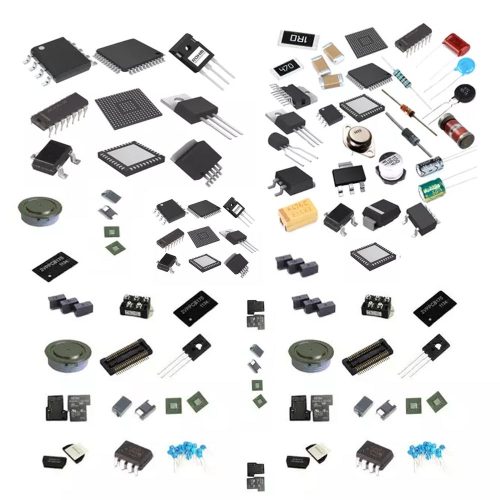

MSP430FR59941IRGZT Overview
The MSP430FR59941IRGZT is a low-power, 16?bit microcontroller with nonvolatile FRAM memory aimed at industrial and battery-powered designs. It combines fast code execution with persistent program and data storage, enabling more frequent writes and longer data retention than many flash-based alternatives. The device supports a broad supply range and multiple I/O/peripheral options for mixed-signal control tasks. For procurement and detailed ordering information consult IC Manufacturer.
MSP430FR59941IRGZT Technical Specifications
| Architecture | 16?bit MSP430 RISC CPU |
| Nonvolatile Memory | 256 KB FRAM |
| SRAM | 8 KB data RAM |
| Maximum CPU Clock | 16 MHz |
| Operating Voltage | 1.8 V to 3.6 V |
| Operating Temperature | -40 ??C to +85 ??C |
| Package | 64?pin LQFP (IRGZT, tape and reel) |
| Analog Converter | 12?bit ADC |
| Communication Peripherals | Multiple eUSCI modules: I2C, SPI, UART |
| Power Modes | Ultra?low power modes with multiple low?power states |
MSP430FR59941IRGZT Key Features
- 16?bit RISC CPU with deterministic instruction timing for predictable control loops and lower code size than comparable 32?bit parts.
- FRAM nonvolatile memory that supports high write endurance and faster write times versus typical flash, reducing write latency in data-logging and state retention use cases.
- Low supply range and multiple power modes that cut standby current and extend battery life in portable or remote sensors.
- Integrated mixed?signal peripherals including a 12?bit ADC and multiple serial interfaces for straightforward sensor interfacing and system integration.
Typical Applications
- Battery?powered sensing and data logging systems that require frequent nonvolatile writes and long-term data persistence in constrained power budgets.
- Industrial control nodes that need deterministic 16?bit control performance plus reliable nonvolatile firmware and configuration storage across power cycles.
- Human?machine interface controllers where fast write FRAM enables frequent parameter updates and robust retention for touch or key scanning systems.
- Low?power wireless gateways or edge devices that combine ADC inputs, serial comms and persistent state storage for reliable field operation.
MSP430FR59941IRGZT Advantages vs Typical Alternatives
The device delivers tangible benefits versus many flash?based microcontrollers. Its FRAM provides far higher write endurance and faster write cycles, which reduces system latency and simplifies data?logging designs. The 16?bit core offers smaller code size and lower dynamic power for equal control tasks compared with some 32?bit parts. Broad peripheral integration and multiple low?power modes mean fewer external components and longer battery life, which lowers system cost and improves reliability in industrial and portable applications.
🔥 Best-Selling Products
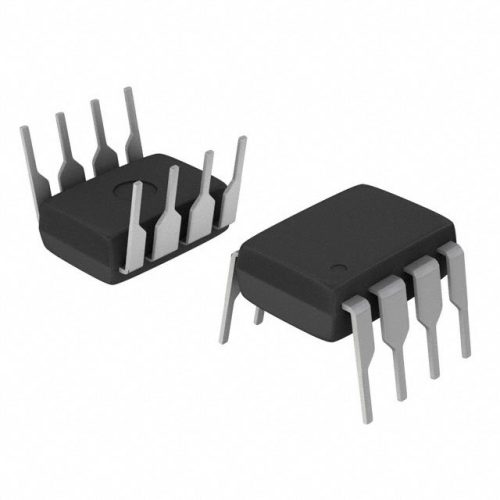
MSP430FR59941IRGZT Brand Info
The MSP430FR59941IRGZT is part of the MSP430 family from Texas Instruments. TI positions this family for low?power embedded applications, emphasizing energy efficiency, FRAM reliability, and rich peripheral sets for industrial, metering, and portable designs.
FAQ
What memory type does it use?
The device uses ferroelectric RAM (FRAM) as its main nonvolatile memory. FRAM offers faster write times and much higher write endurance than conventional flash, enabling frequent in?field data storage without endurance concerns.
🌟 Featured Products
-

“Buy MAX9312ECJ+ Precision Voltage Comparator in DIP Package for Reliable Performance”
-
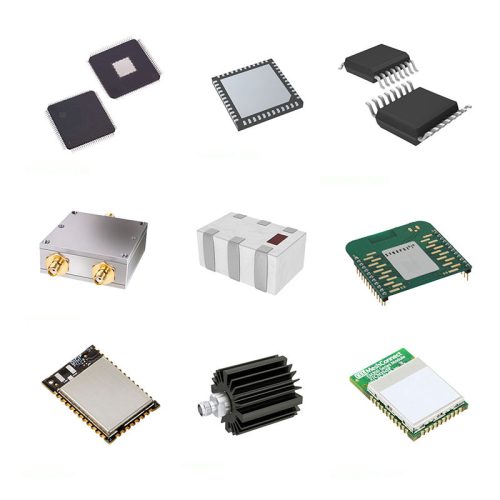
QCC-711-1-MQFN48C-TR-03-1 Bluetooth Audio SoC with MQFN48C Package

-

0339-671-TLM-E Model – High-Performance TLM-E Package for Enhanced Functionality

-
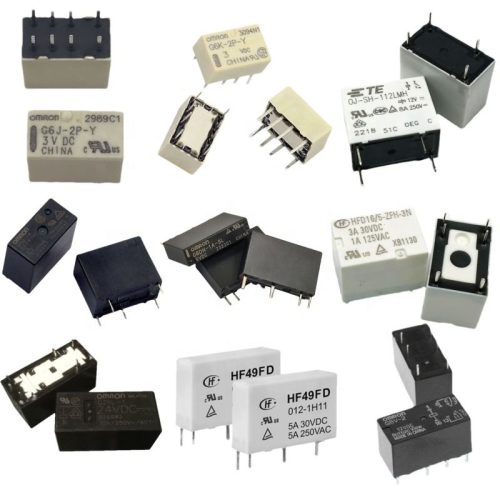
1-1415898-4 Connector Housing, Electrical Wire-to-Board, Receptacle, Packaged
What is the supply voltage range?
Rated operation spans a low voltage range suitable for battery systems. Designers can operate the MCU across typical 1.8 V to 3.6 V rails to support single?cell lithium and multi?rail industrial supplies.
Which communications are supported?
On?chip eUSCI modules implement common serial protocols including I2C, SPI, and UART. These interfaces enable simple connection to sensors, memory devices, and radio modules without external protocol converters.
📩 Contact Us
How does FRAM improve reliability?
FRAM tolerates many more write cycles than flash and completes write operations far faster. This reduces wear?out risk for frequently updated parameters and improves system robustness in logging and calibration tasks.
What temperature range is supported?
The MCU is specified for standard industrial operation from ?40 ??C to +85 ??C. This range suits most factory, field, and outdoor electronics in non?extreme environments.