

MSP430FR5949IDAR Overview
The MSP430FR5949IDAR is a low?power, 16?bit microcontroller in the MSP430 FRAM family designed for energy?sensitive industrial and battery?powered systems. It combines non?volatile FRAM memory, a compact 16?bit CPU, and a broad set of mixed?signal peripherals to enable longer field life and faster nonvolatile writes compared with traditional flash solutions. The device supports multiple communication interfaces and low?power modes to lower overall system energy draw. For supplier and purchasing details see IC Manufacturer.
MSP430FR5949IDAR Technical Specifications
| Core | 16?bit RISC CPU |
| Maximum CPU Speed | 16 MHz |
| Nonvolatile Memory (FRAM) | 64 KB |
| RAM | 2 KB |
| Operating Voltage | 1.8 V to 3.6 V |
| Operating Temperature | -40 ??C to 85 ??C |
| Package | 64?pin LQFP / QFN style (IDAR suffix) |
| ADC Resolution | 12?bit |
| Communication | eUSCI modules for UART, SPI and I2C |
| Timers | Multiple 16?bit timers with capture/compare |
MSP430FR5949IDAR Key Features
- FRAM nonvolatile memory offers faster writes and higher endurance than flash, reducing write latency and extending data retention for frequent log updates.
- Ultra?low power modes cut operating current in standby and active sleep, which matters for battery?operated and energy?harvesting systems that require long runtimes.
- Integrated mixed?signal peripherals such as a 12?bit ADC and multiple timers enable compact analog and timing functions, reducing the need for external components and improving reliability.
- Flexible serial interfaces (UART, SPI, I2C) simplify integration with sensors and comms modules, accelerating development and reducing BOM complexity.
Typical Applications
- Battery?powered sensor nodes and wireless endpoints that require very low standby currents and frequent nonvolatile logging without the latency of flash memory.
- Industrial control panels and human?machine interfaces where reliable nonvolatile storage and multiple communication buses help consolidate control and telemetry functions.
- Smart metering and energy monitoring devices that benefit from FRAM endurance for repetitive data writes and long field lifetimes under harsh operating temperatures.
- Portable medical and measurement instruments needing deterministic wake times, low active power, and onboard analog conversion for compact, reliable designs.
MSP430FR5949IDAR Advantages vs Typical Alternatives
The device provides a clear advantage when compared to flash?based microcontrollers by using FRAM, which enables orders?of?magnitude higher write endurance and lower write energy. Its low active and standby power modes reduce system energy consumption versus many 8? and 32?bit alternatives, and the combined set of on?chip peripherals reduces external BOM. For designs prioritizing frequent nonvolatile updates, deterministic behavior, and long battery life, this MCU offers measurable benefits.
🔥 Best-Selling Products
MSP430FR5949IDAR Brand Info
MSP430FR5949IDAR is part of the MSP430 family from Texas Instruments, a long?standing semiconductor vendor focused on low?power microcontrollers, analog, and mixed?signal ICs. The series targets energy?sensitive embedded applications and industrial customers seeking reliable, low?power solutions with integrated analog capabilities.
FAQ
What type of nonvolatile memory is used?
This device uses ferroelectric RAM (FRAM), which offers faster write times and greater endurance than embedded flash, making it suitable for frequent nonvolatile updates and data logging.
🌟 Featured Products
-

“Buy MAX9312ECJ+ Precision Voltage Comparator in DIP Package for Reliable Performance”
-
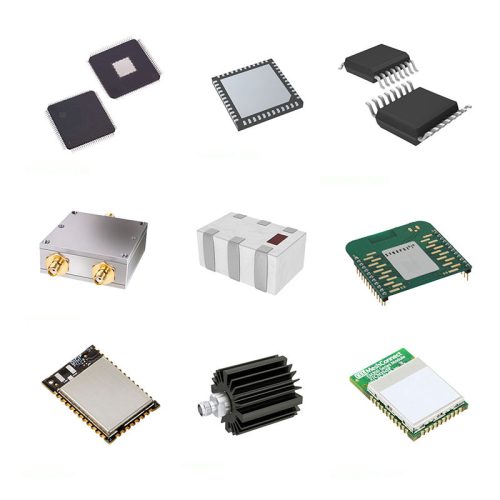
QCC-711-1-MQFN48C-TR-03-1 Bluetooth Audio SoC with MQFN48C Package

-

0339-671-TLM-E Model – High-Performance TLM-E Package for Enhanced Functionality

-
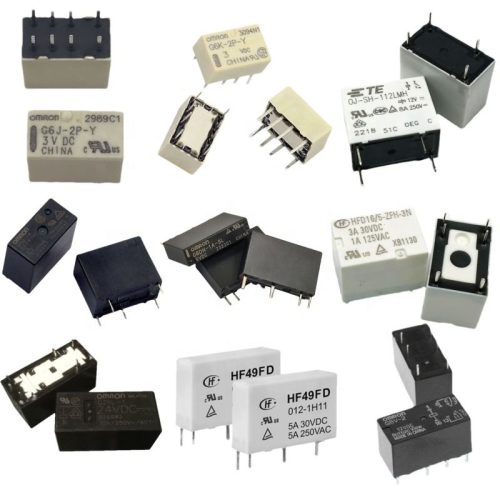
1-1415898-4 Connector Housing, Electrical Wire-to-Board, Receptacle, Packaged
What is the supply voltage range?
Typical supply operation is within a 1.8 V to 3.6 V range, permitting use with common battery chemistries and regulated supply rails in portable and industrial systems.
Which communication interfaces are available?
The MCU includes enhanced universal serial communication interfaces (eUSCI) that support UART, SPI, and I2C modes for flexible host, sensor, and peripheral connectivity.
📩 Contact Us
Is it suitable for battery?powered applications?
Yes. The family emphasizes ultra?low power operation with multiple low?power modes and low active currents to maximize battery life in portable and energy?harvesting designs.
What analog capabilities are integrated?
On?chip analog features include a 12?bit ADC and multiple analog reference options, enabling accurate sensor interfacing without large external ADC components for many applications.