
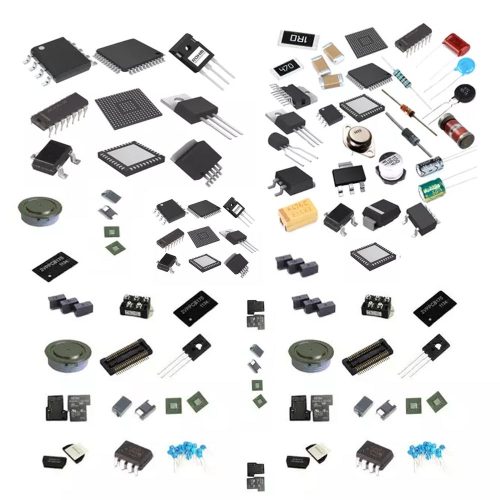

MSP430FR5738IYQDT Overview
The MSP430FR5738IYQDT is a low-power, 16-bit microcontroller featuring nonvolatile FRAM memory and a compact package suited for industrial embedded designs. It targets battery-powered and energy-conscious systems that need faster write cycles and higher endurance than flash. The device integrates multiple timers, a 12-bit ADC, and versatile serial peripherals for UART, SPI, and I2C. Use it where deterministic wake-up, frequent data logging, and robust low-voltage operation matter. For sourcing and supply details see IC Manufacturer.
MSP430FR5738IYQDT Technical Specifications
| Parameter | Value |
|---|---|
| CPU | 16-bit RISC |
| Maximum CPU clock | Up to 16 MHz |
| Nonvolatile memory (FRAM) | 32 KB |
| SRAM | 2 KB |
| ADC resolution | 12-bit |
| Timers | 2 ?? 16-bit Timer_A |
| Serial interfaces | eUSCI: UART / SPI / I2C |
| Operating voltage | 1.8 V ?C 3.6 V |
| Operating temperature | -40 ??C to +85 ??C (industrial) |
| Package | 32-pin VQFN (4 ?? 4 mm) |
| DMA channels | Up to 3 DMA channels |
| Power modes | Multiple low-power modes with fast wake-up |
MSP430FR5738IYQDT Key Features
- Nonvolatile FRAM for fast writes and high endurance, which reduces write latency compared to typical flash.
- 16-bit MSP430 core that balances processing efficiency and code density, useful for lower-power embedded control versus 32-bit MCUs.
- Low-voltage operation from 1.8 V to 3.6 V, enabling compatibility with single-cell Li-ion or coin-cell designs and extended battery life.
- Integrated 12-bit ADC for more precise analog measurements than 8-bit converters, improving sensor resolution in data acquisition tasks.
- Multiple serial interfaces (UART/SPI/I2C) for easier integration with sensors, real-time clocks, and external flash compared to simpler MCU options.
- Multiple low-power modes with fast wake-up capability, which reduces average system power in duty-cycled and event-driven applications.
- On-chip DMA to move data without CPU intervention, increasing throughput and lowering active-mode energy compared to polled transfers.
- Compact 32-pin VQFN package provides a smaller PCB footprint than larger TQFP parts while retaining ample I/O.
Typical Applications
- Battery-powered sensor nodes that require frequent nonvolatile logging and fast recovery after sleep, where FRAM endurance and write speed matter.
- Industrial control interfaces that need deterministic low-power wake-up and precise ADC measurements for monitoring temperature, pressure, or flow.
- Portable medical instruments that demand compact size, reliable nonvolatile data storage, and multiple serial interfaces for peripheral connectivity.
- Smart metering and energy-monitoring devices that perform periodic measurements, require low average power, and must retain configuration across power cycles.
MSP430FR5738IYQDT Advantages vs Typical Alternatives
The device offers FRAM-based nonvolatile memory which gives faster write speeds and higher write endurance than flash-based MCUs. Its 16-bit core delivers compact code and lower active power versus many 32-bit alternatives in similar applications. With up to 16 MHz operation, multiple timers, a 12-bit ADC, and integrated DMA, it provides more integrated analog and data-movement capability than basic 8-bit microcontrollers. The package and 1.8?C3.6 V supply range also simplify migration into compact, battery-operated designs.
🔥 Best-Selling Products
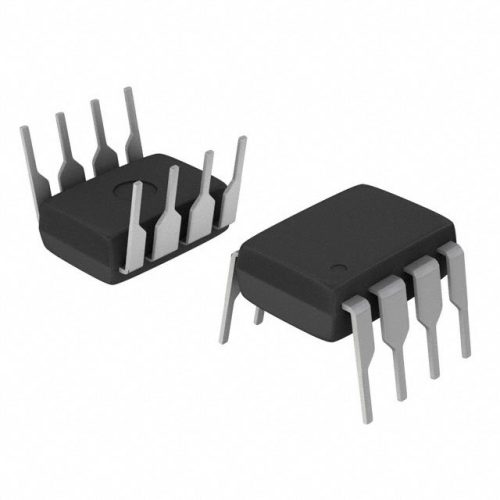
MSP430FR5738IYQDT Brand Info
The MSP430FR5738IYQDT is part of Texas Instruments?? MSP430 family. TI emphasizes ultra-low-power microcontrollers, long-term availability, and robust developer tools. The MSP430 line focuses on energy efficiency, easy peripheral integration, and broad analog support for industrial and portable markets.
FAQ
What memory type is used?
The device uses nonvolatile FRAM, which combines high write endurance, low write latency, and in-place nonvolatile storage suitable for frequent data logging and configuration storage.
🌟 Featured Products
-

“Buy MAX9312ECJ+ Precision Voltage Comparator in DIP Package for Reliable Performance”
-
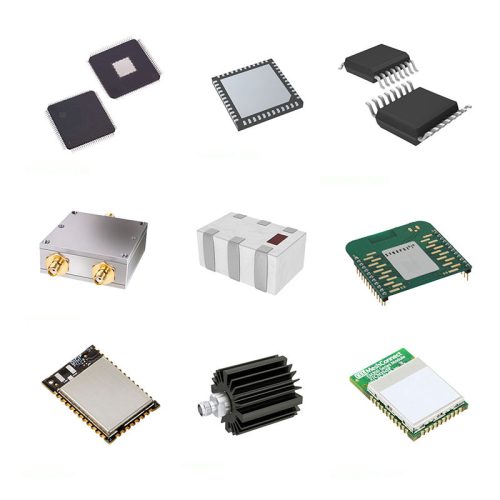
QCC-711-1-MQFN48C-TR-03-1 Bluetooth Audio SoC with MQFN48C Package

-

0339-671-TLM-E Model – High-Performance TLM-E Package for Enhanced Functionality

-
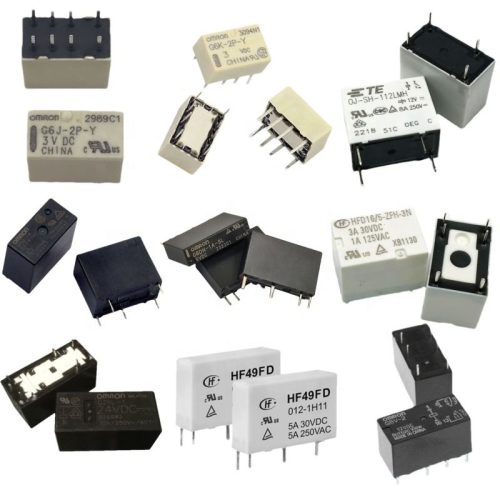
1-1415898-4 Connector Housing, Electrical Wire-to-Board, Receptacle, Packaged
What is the supply voltage range?
It operates across a low-voltage range of 1.8 V to 3.6 V, enabling use with single-cell batteries and common low-voltage power rails in portable and industrial systems.
Which serial interfaces are supported?
On-chip eUSCI modules support multiple serial modes including UART, SPI, and I2C, allowing flexible connectivity to sensors, displays, and external memory devices.
📩 Contact Us
How many DMA channels are available?
The MCU provides up to three DMA channels to transfer peripheral or memory data with minimal CPU intervention, improving throughput and reducing active energy consumption.
What temperature range is specified?
The industrial temperature range covers -40 ??C to +85 ??C, making the device suitable for most commercial and industrial environments where extended thermal tolerance is required.