
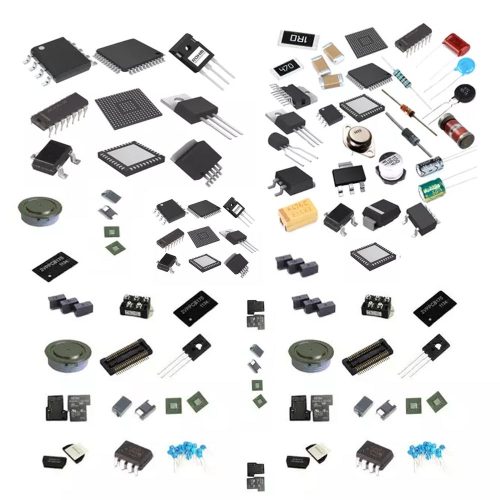

MSP430FR5738IPW Overview
The MSP430FR5738IPW is a low-power, 16-bit microcontroller in the MSP430 FRAM family. It combines a single 16?bit core with nonvolatile FRAM memory for faster writes and higher endurance compared with typical flash-based MCUs. The device targets energy-sensitive designs that need deterministic behavior, quick nonvolatile updates, and mixed-signal peripherals. It offers a balance of on-chip memory, analog converters, timers, and communication interfaces for compact, efficient system designs. Find manufacturer resources at IC Manufacturer.
MSP430FR5738IPW Technical Specifications
| Parameter | Value |
|---|---|
| Core | 16?bit RISC |
| Maximum CPU clock | 16 MHz |
| Nonvolatile memory type | FRAM |
| Operating voltage | 1.8?C3.6 V |
| Operating temperature range | -40 to +85 ??C |
| Package | IPW (low?profile package) |
| GPIO count | Multiple programmable I/O ports (device family typical) |
| Analog converter resolution | 12?bit ADC (typical family capability) |
| Communication interfaces | Multiple serial peripherals: UART/SPI/I2C support |
| Low?power modes | Several sleep/standby modes for energy optimization |
MSP430FR5738IPW Key Features
- Single 16?bit processor core with low instruction?cycle overhead for compact control tasks and predictable timing.
- Nonvolatile FRAM memory enables fast, single?cycle writes and higher endurance than flash, which reduces code complexity for frequent data logging.
- Wide supply range from 1.8 to 3.6 V supports battery and system power rails, improving compatibility with diverse power architectures.
- Integrated analog and digital peripherals (ADC, timers, serial interfaces) simplify system integration and reduce external components.
- Multiple low?power modes help lower average current draw in comparison with many microcontrollers, extending battery life in portable designs.
Typical Applications
- Battery?powered sensor nodes where FRAM enables frequent data writes without the endurance concerns of flash memory, improving long?term reliability.
- Industrial control panels that need deterministic wake and write behavior plus robust peripheral integration for real?time monitoring and control.
- Portable medical instruments that require low standby current, accurate analog measurements, and secure nonvolatile storage for calibration and logs.
- Smart meters and energy monitors that demand intermittent sampling, long lifecycle nonvolatile storage, and stable operation across a wide supply range.
MSP430FR5738IPW Advantages vs Typical Alternatives
The device stands out by combining a 16?bit core with embedded FRAM, which provides faster nonvolatile writes and higher write endurance than flash-based alternatives. This reduces firmware complexity for frequent data logging and calibration updates. The wide 1.8?C3.6 V supply range and multiple low?power modes yield lower system power in many use cases. Integrated analog and serial peripherals also lower BOM count versus designs that require external converters or interface chips.
🔥 Best-Selling Products
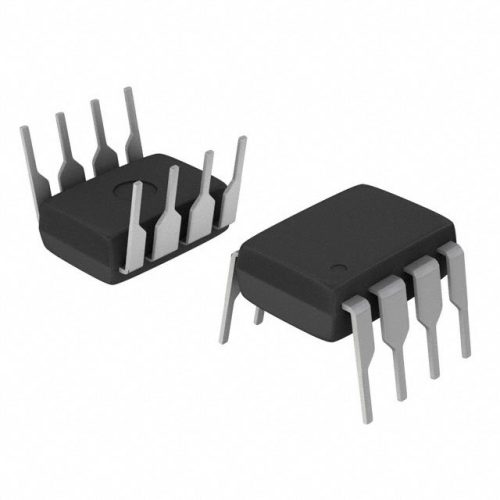
MSP430FR5738IPW Brand Info
MSP430FR5738IPW is branded within the MSP430 FRAM MCU family from Texas Instruments. The family emphasizes ultra?low power operation and nonvolatile FRAM memory. These devices are used across industrial, medical, and portable applications that need reliable nonvolatile storage and efficient power management.
FAQ
What core architecture does it use?
The product uses a 16?bit RISC core common to the MSP430 family. That core optimizes code density and offers deterministic instruction timing for control tasks and low?power operation.
🌟 Featured Products
-

“Buy MAX9312ECJ+ Precision Voltage Comparator in DIP Package for Reliable Performance”
-
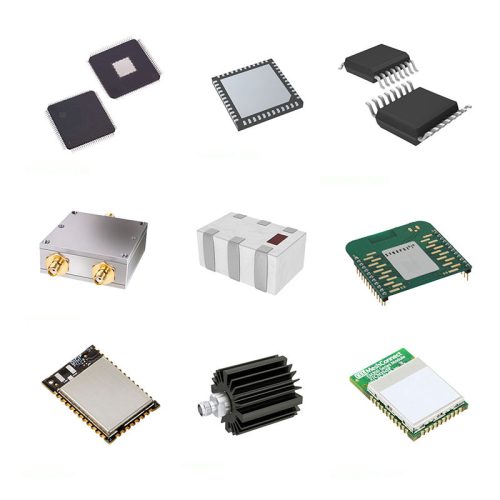
QCC-711-1-MQFN48C-TR-03-1 Bluetooth Audio SoC with MQFN48C Package

-

0339-671-TLM-E Model – High-Performance TLM-E Package for Enhanced Functionality

-
1-1415898-4 Connector Housing, Electrical Wire-to-Board, Receptacle, Packaged
What type of nonvolatile memory is included?
It includes FRAM, a nonvolatile memory type that supports fast writes and a higher number of write cycles than flash. FRAM reduces the need for complex wear?leveling in frequent?write applications.
Which supply voltages are supported?
The device operates across a wide voltage range from roughly 1.8 to 3.6 volts. This range supports common battery chemistries and 3.3 V system rails for flexible deployment.
📩 Contact Us
Are there integrated analog peripherals?
Yes. The family includes integrated analog functions such as a multi?bit ADC and on?chip timers. These peripherals reduce external component count and help achieve compact system designs.
What makes it suitable for low?power designs?
Multiple low?power sleep and standby modes plus an efficient 16?bit core and FRAM memory reduce active and standby energy. Those features help extend battery life versus many flash?based microcontrollers.