

MSP430FR5735IDA Overview
The MSP430FR5735IDA is a low-power, 16-bit microcontroller family member that combines nonvolatile FRAM with a compact peripheral set for efficient embedded control. It targets battery-powered and industrial sensor nodes that require more endurance and faster write performance than EEPROM-based designs. The device balances lower active power with faster nonvolatile writes, delivering a more responsive system overall. Learn more from IC Manufacturer.
MSP430FR5735IDA Technical Specifications
| CPU | 16?bit RISC core |
| Nonvolatile Memory | FRAM, 16 KB |
| SRAM | 2 KB |
| Maximum Clock | 16 MHz |
| Operating Voltage | 1.8 V to 3.6 V |
| ADC | 12?bit SAR |
| GPIO | Up to 48 I/O pins |
| Package | 64?pin LQFP (IDA) |
| Temperature Range | -40 ??C to 85 ??C |
| Peripherals | Timers, UART, SPI, I2C, DMA controller |
MSP430FR5735IDA Key Features
- FRAM nonvolatile memory for fast, high?endurance writes compared with EEPROM and flash.
- 16?bit core that reduces code size and increases execution efficiency vs 32?bit overhead for simple control tasks.
- Low operating voltage that supports lower power draw and extended battery life in portable systems.
- Integrated peripherals including a 12?bit ADC and serial interfaces for direct sensor and comms integration.
Typical Applications
- Battery?powered sensor nodes requiring frequent nonvolatile data logging and low standby current for longer field life.
- Industrial monitoring controllers where fast FRAM writes reduce latency and improve reliability for configuration storage.
- Consumer metering devices that need lower power consumption and durable nonvolatile memory for cumulative usage counters.
- Embedded control and motor?drive submodules that benefit from compact code, deterministic behavior, and integrated timers.
MSP430FR5735IDA Advantages vs Typical Alternatives
The device offers a clear edge where write endurance and speed matter. Compared with EEPROM or flash?based microcontrollers, FRAM provides faster nonvolatile writes and far higher write cycle endurance, which lowers lifecycle maintenance. The 16?bit core yields smaller code size and more efficient control loops than many 32?bit MCUs for simple tasks. Together, lower operating voltage and integrated peripherals reduce BOM count and improve system efficiency for embedded and battery?constrained designs.
🔥 Best-Selling Products
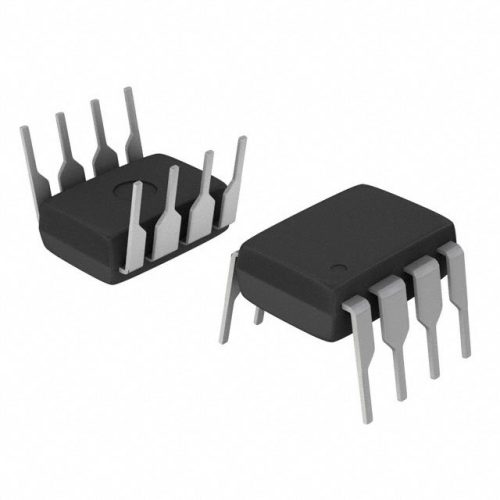
MSP430FR5735IDA Brand Info
The MSP430FR5735IDA is produced by Texas Instruments, a leading supplier of mixed?signal semiconductors. TI positions this family for low?power embedded systems that require robust nonvolatile memory and broad peripheral integration for industrial, metering, and portable applications.
FAQ
What memory type does it use?
The device uses ferroelectric RAM (FRAM), which provides fast nonvolatile writes and high write endurance compared with traditional EEPROM or flash.
🌟 Featured Products
-

“Buy MAX9312ECJ+ Precision Voltage Comparator in DIP Package for Reliable Performance”
-
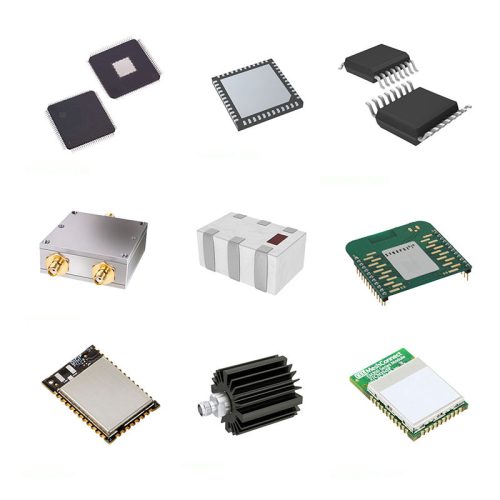
QCC-711-1-MQFN48C-TR-03-1 Bluetooth Audio SoC with MQFN48C Package

-

0339-671-TLM-E Model – High-Performance TLM-E Package for Enhanced Functionality

-
1-1415898-4 Connector Housing, Electrical Wire-to-Board, Receptacle, Packaged
What voltage range is supported?
It supports a low operating voltage range, enabling use in battery?powered and low?power systems that must maximize run time and minimize standby drain.
Is it suitable for data logging?
Yes. Fast FRAM writes and high endurance make it well suited for frequent logging of sensor data without the erase/write penalties of flash memory.
📩 Contact Us
Which interfaces are included?
The device integrates common serial interfaces such as UART, SPI and I2C, plus timers, ADC and DMA to connect sensors and offload routine data moves from the CPU.
What thermal range does it support?
It is specified for standard industrial temperatures, allowing deployment in environments that need operation from cold to warm ambient conditions for field equipment.