
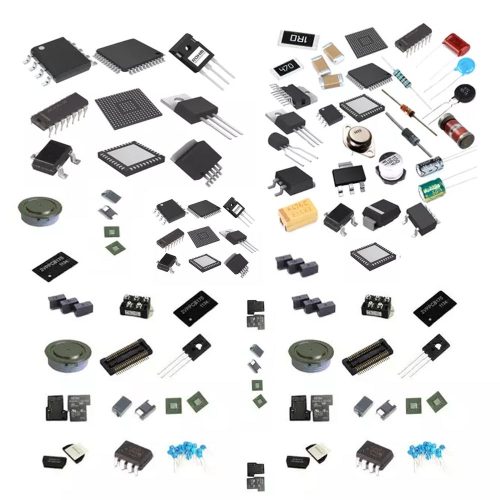
MSP430G2203IPW28 Overview
The MSP430G2203IPW28 is an ultra?low?power 16?bit microcontroller in a 28?pin TSSOP package. It targets battery?sensitive and cost?constrained industrial designs that need more energy efficiency and fewer external components compared to larger MCUs. The device combines a compact footprint, a low supply range and a simple peripheral set to speed development and reduce BOM count. For sourcing and component comparison, see IC Manufacturer.
MSP430G2203IPW28 Technical Specifications
| Architecture | 16?bit RISC CPU |
| Package | 28?pin TSSOP (PW?28) |
| Supply Voltage | 1.8 V to 3.6 V |
| Operating Temp | -40 ??C to +85 ??C |
| Flash Memory | 2 KB |
| RAM | 128 B |
| CPU Clock | Up to 16 MHz |
| Pin Count | 28 pins |
| Low?Power Modes | Multiple LPMs, <1 ??A standby range |
| Typical Active Current | ??200 ??A/MHz (typical order of magnitude) |
MSP430G2203IPW28 Key Features
- Single 16?bit core: provides compact code density and faster integer math compared to 8?bit alternatives.
- Low supply range (1.8?C3.6 V): means easier battery selection and lower power compared with higher?voltage MCUs.
- Small Flash and RAM: reduces cost and suits firmware less than a few kilobytes, trimming BOM and production cost.
- Multiple low?power modes: extends battery life in always?on or intermittent sensing systems for longer field runtime.
Typical Applications
- Battery?powered sensor nodes where ultra?low quiescent current and a 28?pin footprint deliver longer field life and simpler PCB routing than larger MCUs.
- Consumer handheld appliances that require low static power and deterministic response for user input and simple control logic.
- Industrial handheld instruments that need robust temperature range operation and compact BOM while keeping MCU code and RAM needs modest.
- Battery management and power monitoring circuits where low voltage operation and multiple low?power states reduce standby drain and cost.
MSP430G2203IPW28 Advantages vs Typical Alternatives
The device compares favorably when designers need lower steady?state current and a smaller package. Versus many 8?bit MCUs, the 16?bit CPU gives better code density and faster arithmetic per clock cycle. Against larger embedded controllers, it uses fewer milliwatts in active modes and microamp?class standby currents, making it more suitable for long?life battery applications. Its 28?pin package also simplifies PCB layout while keeping pin availability higher than 8? or 14?pin options.
🔥 Best-Selling Products
-
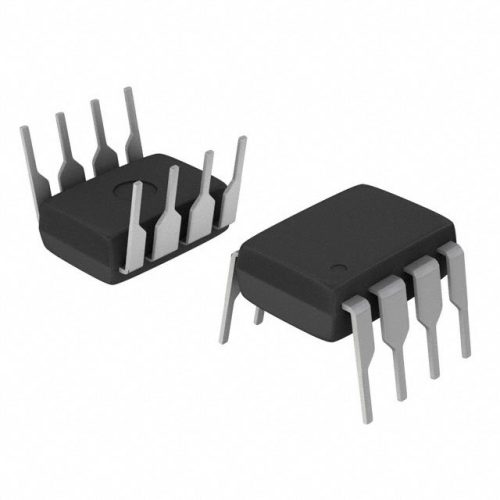
Texas Instruments BQ24075 Linear Battery Charger IC – 5mm x 4mm QFN Package
-
Texas Instruments INA219 Current Sensor Module – SOIC Package, Precision Monitoring
-
Texas Instruments LM4041 Precision Voltage Reference – SOT-23 Package
-
Texas Instruments OPA2134 Audio Op Amp – Dual, High-Performance, SOIC-8 Package
MSP430G2203IPW28 Brand Info
The MSP430 family is produced by Texas Instruments, a global supplier of analog and embedded processing devices. Texas Instruments positions this subfamily for ultra?low?power embedded control and sensing tasks, providing design resources, code examples and evaluation tools to accelerate integration into industrial and consumer products.
FAQ
What package does this part use?
The device is offered in a 28?pin TSSOP package (PW?28 style). This package balances pin access and PCB area, making it easier to place headers and connectors while keeping board size compact.
🌟 Featured Products
-

“Buy MAX9312ECJ+ Precision Voltage Comparator in DIP Package for Reliable Performance”
-
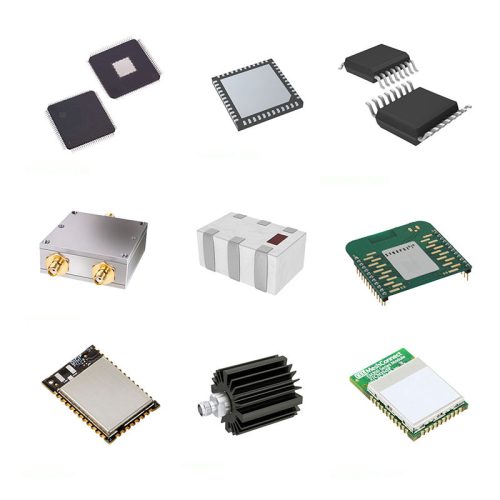
QCC-711-1-MQFN48C-TR-03-1 Bluetooth Audio SoC with MQFN48C Package
-

0339-671-TLM-E Model – High-Performance TLM-E Package for Enhanced Functionality
-
1-1415898-4 Connector Housing, Electrical Wire-to-Board, Receptacle, Packaged
What is the supported supply voltage?
The MCU accepts a supply range from 1.8 V up to 3.6 V. This range supports common single?cell lithium and alkaline battery configurations and standard 3.3 V rail systems used in industrial designs.
Is this MCU suitable for battery operation?
Yes. Multiple low?power modes and microamp?class standby currents make it suitable for battery?powered devices. Designers can maximize life by using deeper low?power modes between measurement or communication events.
📩 Contact Us
How much code and RAM can it handle?
The device includes 2 KB of Flash and 128 bytes of RAM, which suits compact firmware, bootloaders, or simple sensor stacks that require modest state storage and control logic.
Where to find development resources?
Texas Instruments publishes reference manuals, code examples and evaluation tools for the MSP430 family. Use vendor IDEs and example projects to reduce development time and validate low?power modes on prototype hardware.