
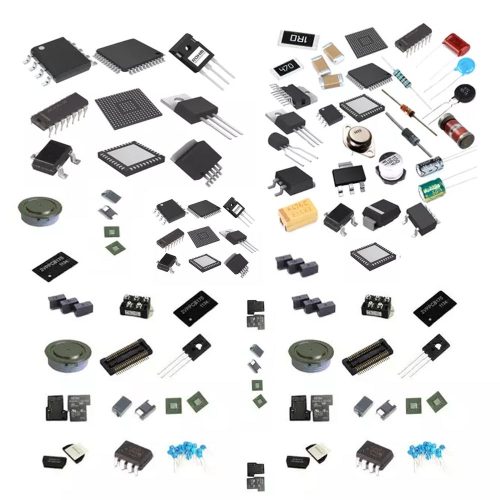

MSP430F155IPM Overview
The MSP430F155IPM is a 16?bit ultralow?power microcontroller optimized for precise mixed?signal control and low?energy embedded tasks. It combines a single RISC CPU core with integrated analog and digital peripherals to reduce board count and system complexity. Typical use favors battery?powered instruments and industrial sensors where deterministic timing, compact footprint, and extended run time matter. For procurement and product support see IC Manufacturer.
MSP430F155IPM Technical Specifications
| Architecture | 16?bit RISC core |
| CPU cores | 1 |
| Maximum clock frequency | 16 MHz |
| Operating voltage range | 2.2 V ?C 3.6 V |
| On?chip Flash memory | 16 KB |
| RAM (SRAM) | 512 B |
| I/O pins | 48 general?purpose I/O |
| Package type | 64?pin QFN (IPM) |
| ADC | 10?bit, multiple channels |
| Timers | 2 ?? 16?bit timers |
| Communication interfaces | USART / UART, SPI compatible |
| Low?power modes | Multiple sleep states for energy saving |
MSP430F155IPM Key Features
- Single 16?bit RISC core providing compact code and predictable timing for control loops.
- Integrated 10?bit ADC enabling direct, accurate sensor measurement without external converters.
- Multiple low?power modes to extend battery life for portable and remote applications.
- On?chip Flash and SRAM reduce external memory needs and simplify PCB design and sourcing.
- Timers and serial peripherals facilitate deterministic timing and system communication with fewer external components.
Typical Applications
- Battery?powered sensor nodes requiring long standby life, periodic sampling, and local signal conditioning through the on?chip ADC and low?power modes.
- Industrial analog control subsystems where a compact microcontroller must handle ADC reads, pulse timing, and UART or SPI communication to a host controller.
- Portable medical instruments that need deterministic timing, compact Flash storage for firmware, and ultralow quiescent current to maximize runtime between charges.
- Consumer metering devices and data loggers that combine mixed?signal acquisition with onboard processing and a small PCB footprint in QFN packaging.
MSP430F155IPM Advantages vs Typical Alternatives
The device gives a balance of low power and mixed?signal integration that competes well against larger 8/32?bit alternatives. With a 16?bit core and on?chip ADC, it often replaces external converters and reduces BOM cost. Multiple sleep modes and sub?milliamp active profiles yield longer battery life versus many general?purpose controllers. The integrated Flash and compact QFN package enable smaller PCBs and fewer external components, improving reliability and lowering system assembly time.
🔥 Best-Selling Products
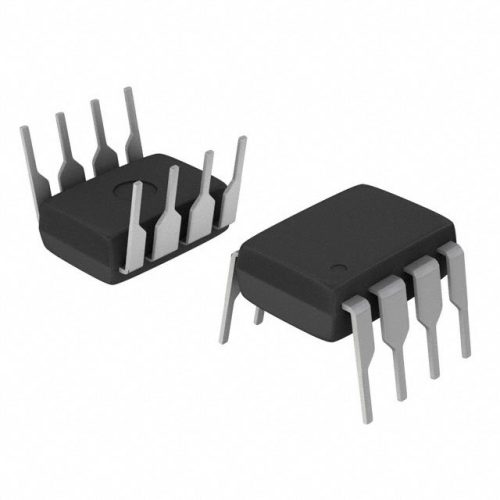
MSP430F155IPM Brand Info
MSP430F155IPM is part of the MSP430 family from Texas Instruments. The brand focuses on ultralow?power microcontrollers for embedded control and sensing. TI supports the device with application notes, development tools, and long?term availability for industrial and commercial designs.
FAQ
What core architecture does it use?
The controller uses a single 16?bit RISC core designed for low power and fast instruction throughput. This architecture simplifies real?time control and deterministic timing for embedded systems.
🌟 Featured Products
-

“Buy MAX9312ECJ+ Precision Voltage Comparator in DIP Package for Reliable Performance”
-
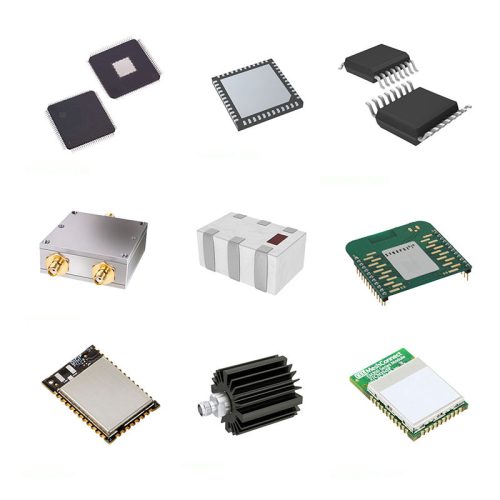
QCC-711-1-MQFN48C-TR-03-1 Bluetooth Audio SoC with MQFN48C Package

-

0339-671-TLM-E Model – High-Performance TLM-E Package for Enhanced Functionality

-
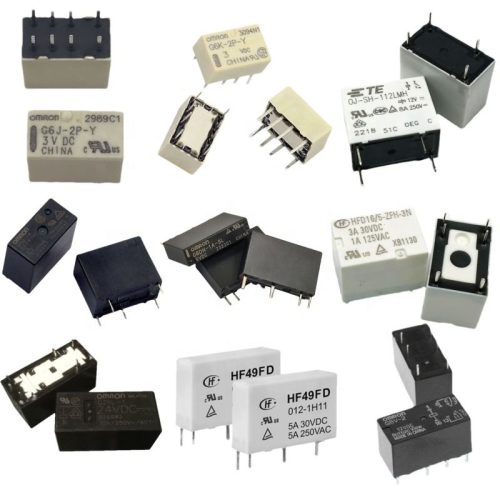
1-1415898-4 Connector Housing, Electrical Wire-to-Board, Receptacle, Packaged
Which voltage range is supported?
The device operates over a low?voltage range suitable for battery operation. Designers can run the MCU directly from common single?cell and regulated supplies used in portable and embedded applications.
Does it include ADC functionality?
Yes, the part integrates a multi?channel ADC for direct sensor interfacing. This reduces the need for external analog front?end components and lowers BOM and board area.
📩 Contact Us
How many I/O and peripherals are available?
The product exposes a broad set of GPIOs and peripheral channels including timers and serial interfaces. This enables flexible I/O mapping and supports a variety of communication topologies.
Where can I find development resources?
Reference designs, programming guides, and evaluation tools from the manufacturer help speed development and validation. Check the official supplier portals for application notes and ecosystem support.