
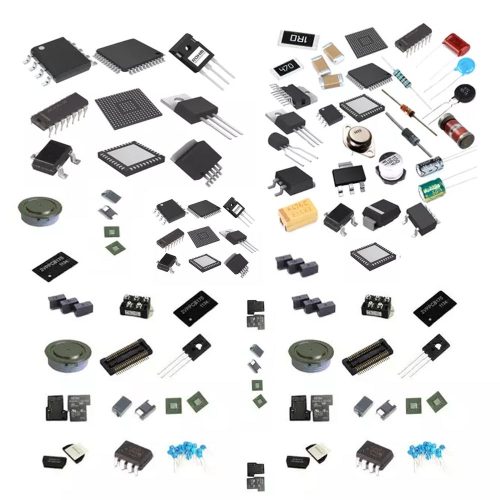
MSP430FR6989IPN Overview
The MSP430FR6989IPN is a 16?bit ultra?low?power microcontroller built around the MSP430 CPU core and nonvolatile FRAM memory technology. It targets battery?sensitive and embedded sensing designs that need more endurance and faster in?system writes than conventional flash. The device integrates mixed?signal peripherals, multiple serial communications interfaces, precise timers and capacitive?touch support to simplify system integration. For sourcing and additional product resources see IC Manufacturer.
MSP430FR6989IPN Technical Specifications
| Parameter | Value |
|---|---|
| CPU | 16?bit RISC MSP430 core |
| Nonvolatile memory | FRAM, 128 KB |
| SRAM (RAM) | 2 KB |
| Maximum CPU clock | 16 MHz |
| ADC resolution | 12?bit successive approximation (SAR) |
| ADC maximum sample rate | 200 ksps (typical) |
| Operating voltage | 1.8 V to 3.6 V |
| Package | 64?pin LQFP (IPN suffix) |
| Temperature range | ?C40 ??C to +85 ??C (industrial) |
| Communication interfaces | Multiple eUSCI modules for UART/SPI/I2C, up to 2 I2C/SPI/UART instances |
| Timers | Several versatile timers (16?bit) for PWM and event timing |
| Low?power modes | Multiple LPM states for ??A?range standby and sub?mA active currents |
MSP430FR6989IPN Key Features
- FRAM nonvolatile memory with high endurance and fast write cycles, delivering more writes and lower latency than typical flash.
- 16?bit MSP430 core that balances computational density with lower power per operation for sensor and control tasks.
- Integrated ADC 12?bit conversion and analog front?end to reduce external components for monitoring and measurement functions.
- Multiple serial interfaces (UART/SPI/I2C via eUSCI) to simplify connectivity with sensors, memory and host controllers.
- Low?power operation with several low?power modes to extend battery life in portable and remote deployments.
- Rich timer and DMA support for efficient real?time control, PWM generation and autonomous data movement to minimize CPU overhead.
- Industrial temperature range suitable for a wide set of embedded and industrial applications with reliable operation from ?C40 ??C to +85 ??C.
Typical Applications
- Battery?powered sensor nodes requiring long write endurance and frequent logging where FRAM reduces write latency and extends lifetime compared with flash-based MCUs.
- Portable medical or handheld instruments that need sub?mA standby currents and accurate 12?bit analog measurement for reliable readings and longer battery life.
- Industrial controllers and data?loggers that need robust serial connectivity (I2C/SPI/UART) and deterministic timers for process control and event capture.
- Capacitive touch and human?machine interface (HMI) panels where integrated analog peripherals and low power usage improve responsiveness and reduce BOM count.
MSP430FR6989IPN Advantages vs Typical Alternatives
The MSP430FR6989IPN offers distinct advantages where FRAM endurance and low write latency matter. Compared with flash?based 16?bit MCUs, it delivers far greater write cycles and faster in?system updates, reducing maintenance and data?log bottlenecks. It also consumes less power in standby and active states for comparable throughput, which benefits battery?sensitive designs. Integrated 12?bit ADCs and multiple serial interfaces lower BOM count and speed integration, making it a compact choice versus separate MCU plus external memory or ADC solutions.
🔥 Best-Selling Products
-
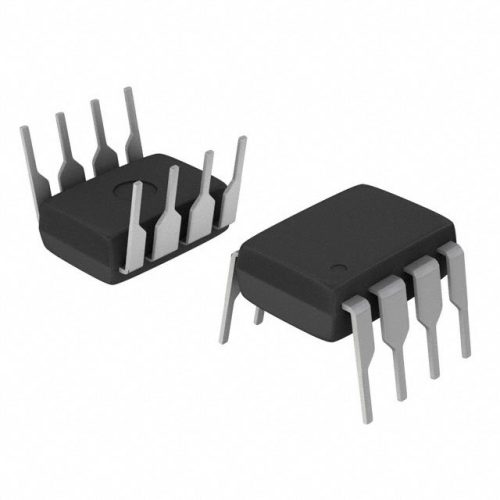
Texas Instruments BQ24075 Linear Battery Charger IC – 5mm x 4mm QFN Package
-
Texas Instruments INA219 Current Sensor Module – SOIC Package, Precision Monitoring
-
Texas Instruments LM4041 Precision Voltage Reference – SOT-23 Package
-
Texas Instruments OPA2134 Audio Op Amp – Dual, High-Performance, SOIC-8 Package
MSP430FR6989IPN Brand Info
The MSP430FR6989IPN is part of the MSP430 family from Texas Instruments. TI positions this series for ultra?low?power embedded applications, combining a 16?bit core with FRAM technology and a broad set of integrated peripherals to accelerate time?to?market and simplify system design for industrial, medical and portable products.
FAQ
What is FRAM and why use it?
FRAM is a nonvolatile memory technology that supports high write endurance, fast write speeds and low energy per write. It enables frequent in?system logging, configuration updates and real?time data storage without the latency and wear limitations of flash.
🌟 Featured Products
-

“Buy MAX9312ECJ+ Precision Voltage Comparator in DIP Package for Reliable Performance”
-
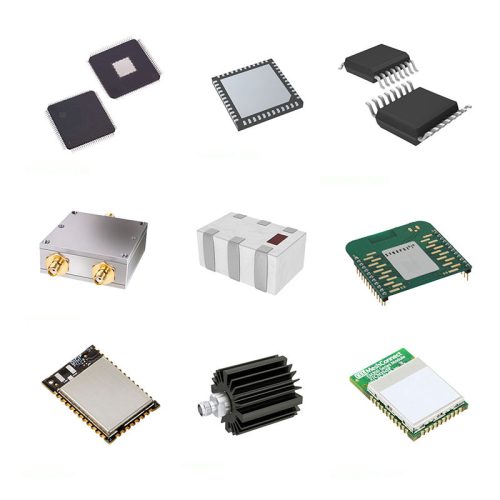
QCC-711-1-MQFN48C-TR-03-1 Bluetooth Audio SoC with MQFN48C Package
-

0339-671-TLM-E Model – High-Performance TLM-E Package for Enhanced Functionality
-
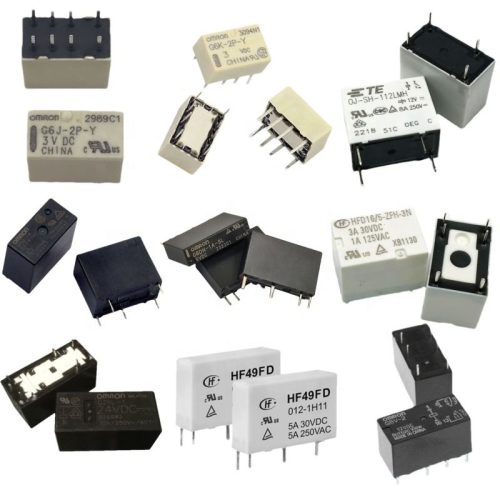
1-1415898-4 Connector Housing, Electrical Wire-to-Board, Receptacle, Packaged
What supply voltage does it require?
The device operates across a wide supply range suitable for common embedded systems. The stated operating window supports single?cell battery systems and standard 3.3 V designs used in industrial and portable equipment.
Can it run from a low battery for long periods?
Yes. The MCU is designed for ultra?low?power operation with multiple low?power modes to minimize idle current. That makes it suitable for long?lifetime battery applications and energy?harvesting systems when combined with optimized firmware.
📩 Contact Us
Which serial protocols are supported?
On?chip eUSCI modules provide flexible serial connectivity, including UART, SPI and I2C modes. This enables direct connection to sensors, displays, external memories and host interfaces without extra bridge components.
Is it suitable for industrial temperature ranges?
Yes. The product is specified for industrial ambient operation, supporting temperatures from ?C40 ??C up to +85 ??C to meet common industrial and outdoor deployment requirements.