
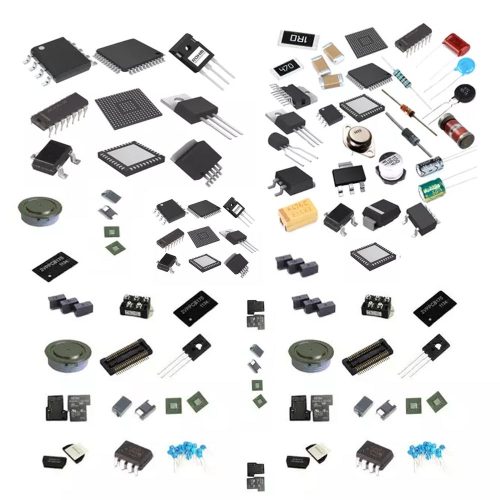

MSP430F2272TDA Overview
The MSP430F2272TDA is an ultra-low-power, 16?bit microcontroller optimized for battery-powered and precision control tasks. It combines a compact CPU, on-chip nonvolatile memory, and flexible serial and timer peripherals to support sensing, measurement, and interface functions in smaller systems. Designers get higher energy efficiency and lower standby drain versus many 8?bit alternatives. For sourcing and component details visit IC Manufacturer.
MSP430F2272TDA Technical Specifications
| CPU architecture | 16?bit RISC core |
| Flash memory | 16 KB |
| RAM | 512 B |
| Operating voltage | 1.8 V to 3.6 V |
| Typical clock | Up to 16 MHz DCO |
| Low-power modes | Multiple LPMs with ??A-class standby currents |
| Timers | 16?bit Timer_A with multiple capture/compare registers |
| Serial interfaces | Universal serial interface (USI) supporting SPI and I2C |
| Package type (example) | TSSOP variants available |
| Temperature range | Industrial operating temperature support |
MSP430F2272TDA Key Features
- Single 16?bit core delivering compact code size and faster math operations compared with 8?bit MCUs.
- On?chip Flash (16 KB) and RAM (512 B) for embedded code and variables, reducing external memory needs.
- Low-voltage operation from 1.8 V to 3.6 V for broader battery compatibility and lower system cost.
- Multiple low?power modes that extend battery life by minimizing leakage and enabling quick wake-up.
- 16?bit Timer_A with capture/compare for accurate PWM and event timing in motor control and power conversion.
- USI that supports SPI and I2C to integrate sensors and peripherals with fewer external components.
- Small package options that save board area and suit space-constrained industrial designs.
Typical Applications
- Battery-powered sensing nodes where long standby life and low average current extend system runtime and reduce maintenance intervals.
- Portable medical instruments that require precise timing, small code footprint, and predictable low-power behavior for safety and reliability.
- Industrial sensor interfaces that need robust I2C/SPI connectivity and deterministic timer-based sampling at millisecond resolution.
- Consumer handheld devices where compact package, low operating voltage, and efficient integer math reduce BOM and power draw.
MSP430F2272TDA Advantages vs Typical Alternatives
The device delivers higher energy efficiency and smaller code size when compared to many 8?bit microcontrollers. With a native 16?bit core and integrated 16 KB Flash plus 512 B RAM, it supports more complex control algorithms and state machines without external memory. Multiple low?power modes and single?digit microamp standby currents make it preferable for battery-driven systems. Integrated serial interfaces and timer peripherals reduce the need for discrete parts, lowering total system cost and PCB area.
🔥 Best-Selling Products
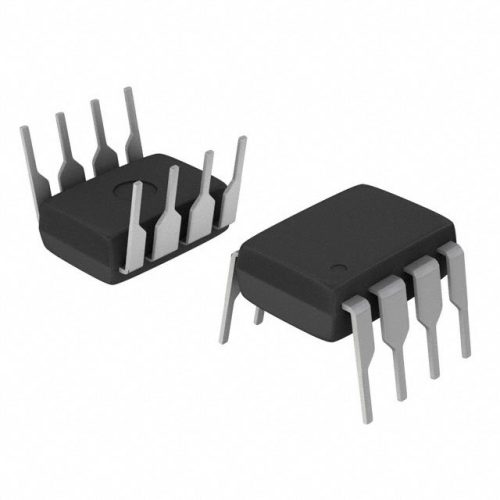
MSP430F2272TDA Brand Info
The MSP430F2272TDA is part of the MSP430 family from Texas Instruments. TI positions these MCUs for ultra?low?power embedded applications, combining efficient 16?bit processing with integrated mixed?signal peripherals. The brand emphasizes long-term availability, extensive documentation, and ecosystem tools that accelerate design and production.
FAQ
What is the core architecture?
The product uses a 16?bit RISC core designed for efficient code density and fast integer operations. This architecture yields smaller firmware footprints and more headroom for control tasks compared with many 8?bit MCUs.
🌟 Featured Products
-

“Buy MAX9312ECJ+ Precision Voltage Comparator in DIP Package for Reliable Performance”
-
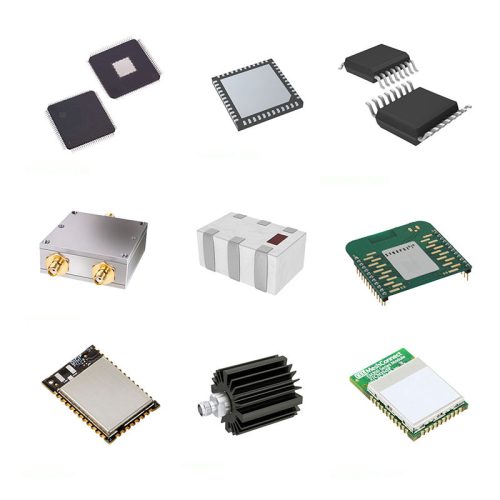
QCC-711-1-MQFN48C-TR-03-1 Bluetooth Audio SoC with MQFN48C Package

-

0339-671-TLM-E Model – High-Performance TLM-E Package for Enhanced Functionality

-
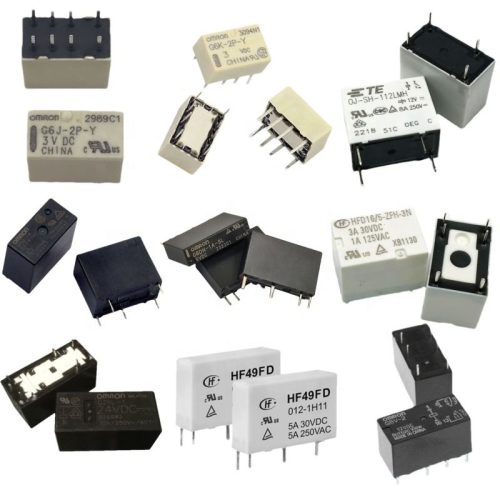
1-1415898-4 Connector Housing, Electrical Wire-to-Board, Receptacle, Packaged
What supply voltage range is supported?
It operates from 1.8 V up to 3.6 V. That range enables direct connection to common single?cell batteries and low?voltage system rails while keeping power dissipation low.
How does low?power performance compare?
Multiple low?power modes let the MCU drop to microamp?class standby currents. Designers can schedule brief active bursts and long sleep intervals to maximize battery life in sensing and metering applications.
📩 Contact Us
Which serial interfaces are available?
The device includes a universal serial interface (USI) capable of SPI and I2C protocols. This simplifies sensor and peripheral connectivity and minimizes external translation hardware.
Is external memory required?
With on?chip Flash and RAM, many applications run without external memory. The integrated 16 KB Flash and 512 B RAM accommodate compact control firmware and runtime variables for typical embedded tasks.