

MSP430FR2355TDBT Overview
The MSP430FR2355TDBT is a low?power 16?bit microcontroller with nonvolatile FRAM memory and embedded analog/peripheral functions. It targets designs that need more persistence and faster write cycles than flash while using less power than many comparable microcontrollers. This part combines a compact TDBT package with multiple serial interfaces, a 12?bit ADC, and deterministic timers to simplify mixed?signal control. For procurement and additional distribution details visit IC Manufacturer.
MSP430FR2355TDBT Technical Specifications
| Parameter | Value |
|---|---|
| Core | 16?bit RISC |
| Nonvolatile Memory (FRAM) | 16 KB |
| RAM | 2 KB |
| Maximum CPU Clock | 16 MHz |
| Operating Voltage | 1.8 ?C 3.6 V |
| I/O Pins | 24 general?purpose |
| ADC | 12?bit SAR, up to 200 ksps |
| Timers | 2 ?? 16?bit timers |
| Communication | eUSCI modules: UART, SPI, I2C |
| Package | 20?pin TDBT (TSSOP?like) |
| Typical Active Current | ~100 ??A/MHz |
| Low?Power Mode Current | < 1 ??A (standby levels) |
| Operating Temperature | ?40 to 85 ??C |
MSP430FR2355TDBT Key Features
- FRAM nonvolatile memory ?C enables fast, high?endurance writes and reduces code update complexity compared with flash.
- Low active and standby power ?C significant battery life gains for energy?constrained applications compared with many 32?bit parts.
- Integrated 12?bit ADC and timers ?C simplifies sensor interface and deterministic control without external converters.
- Multiple serial interfaces ?C UART, SPI and I2C support flexible connectivity and easier subsystem integration.
Typical Applications
- Battery?powered sensing nodes that require frequent nonvolatile data logging and long run?time, such as remote meters or portable analyzers.
- Industrial control panels where FRAM endurance and fast write cycles reduce maintenance compared with flash?based controllers.
- Smart sensors that combine analog front?end sampling with local processing and fewer power cycles for extended field life.
- Consumer devices that need a small footprint, lower BOM cost, and robust nonvolatile data storage for configuration and calibration.
MSP430FR2355TDBT Advantages vs Typical Alternatives
The MSP430FR2355TDBT delivers lower active and standby current than many 32?bit MCUs, while providing faster nonvolatile writes than flash?based alternatives. Its FRAM offers higher endurance and quicker write times, which reduces system complexity when storing frequent logs or settings. The 16?bit core with integrated ADC and timers provides a compact, cost?effective solution when designers need deterministic timing and mixed?signal integration without excess power or silicon area.
🔥 Best-Selling Products
MSP430FR2355TDBT Brand Info
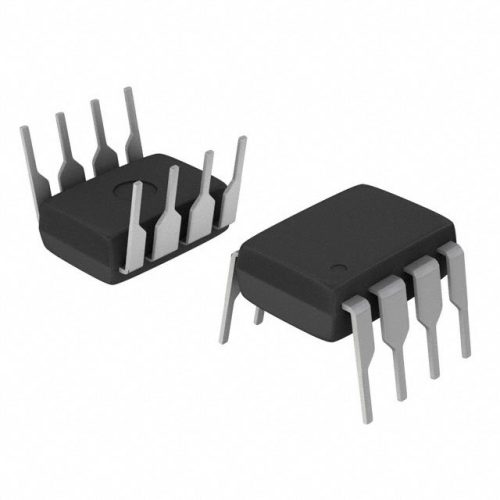
The MSP430FR2355TDBT is part of the MSP430 family from Texas Instruments. TI positions this family for ultra?low power embedded control and sensor applications. The product line emphasizes FRAM memory, long battery life, and a mature toolchain for rapid development.
FAQ
What is the memory type?
This device uses FRAM for nonvolatile program and data storage. FRAM provides fast write speeds and high endurance compared with flash, which helps in designs that update data frequently.
🌟 Featured Products
-

“Buy MAX9312ECJ+ Precision Voltage Comparator in DIP Package for Reliable Performance”
-
QCC-711-1-MQFN48C-TR-03-1 Bluetooth Audio SoC with MQFN48C Package

-

0339-671-TLM-E Model – High-Performance TLM-E Package for Enhanced Functionality

-
1-1415898-4 Connector Housing, Electrical Wire-to-Board, Receptacle, Packaged
What is the operating voltage?
The device accepts a wide supply range from 1.8 to 3.6 volts. This range supports common single?cell battery systems and many standard industrial rails without external regulators.
How many I/O pins are available?
There are 24 general?purpose I/O pins. These pins support digital I/O, peripheral functions, and can be configured for multiple serial interfaces to match system requirements.
📩 Contact Us
Which serial interfaces are included?
On?chip eUSCI modules provide UART, SPI, and I2C host capabilities. These interfaces enable communication with sensors, memory, and external radios using standard protocols.
Is it suitable for low?power sensing?
Yes. Typical active current is low and standby currents are below 1 microamp, making the device well suited for battery?operated sensing nodes and energy?harvesting designs.