
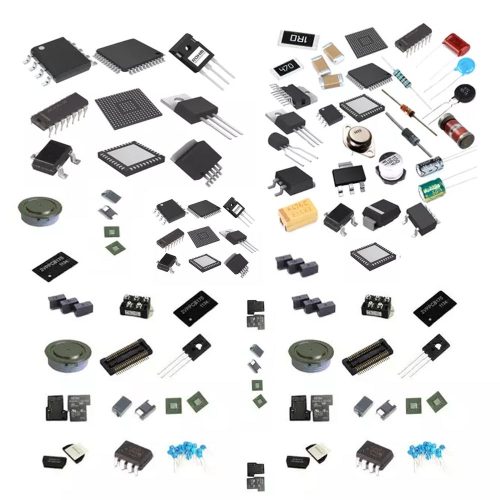

MSP430G2252IN20 Overview
The MSP430G2252IN20 is an ultra-low-power, 16-bit microcontroller optimized for battery-powered and embedded sensing designs. It delivers a compact feature set in a 20-pin package, combining a reduced-instruction-set CPU with integrated peripherals for timing, analog conversion, and serial communications. Designed for simple control and measurement tasks, this device balances lower active current and multiple low-power modes to extend battery life compared with many 8-bit alternatives. For sourcing and manufacturer details visit IC Manufacturer.
MSP430G2252IN20 Technical Specifications
| Parameter | Value |
|---|---|
| Core | 16-bit MSP430 RISC |
| Maximum CPU Frequency | 16 MHz |
| Flash Memory | 2 KB |
| SRAM | 128 B |
| Analog-to-Digital Converter | 10-bit ADC |
| Serial Interface | USI (supports UART/I2C/SPI) |
| Timer | Timer_A (16-bit) |
| Supply Voltage Range | 1.8 V to 3.6 V |
| Operating Temperature | -40 ??C to +85 ??C |
| Package | 20-pin DIP / Standard 20-pin package |
| Low-Power Modes | Multiple LPM states for ??A-class standby |
| GPIO Count | Multiple digital I/O pins (package dependent) |
MSP430G2252IN20 Key Features
- 16-bit CPU ?? provides higher data width and more efficient arithmetic than typical 8-bit MCUs, reducing cycle counts for control algorithms.
- Low-power operation ?? multiple low-power modes help minimize battery drain for longer operational life in portable designs.
- Integrated 10-bit ADC ?? enables on-chip analog measurement for sensors without external converters, simplifying BOM and board area.
- Universal Serial Interface (USI) ?? supports UART, I2C, and SPI-like protocols for flexible peripheral communications and sensor interfacing.
- Timer_A 16-bit ?? delivers precise timing, PWM and capture/compare functions useful for motor control, power management and event timing.
- Compact 20-pin package ?? reduces PCB footprint while keeping adequate I/O for many embedded tasks compared with larger pin-count parts.
- Industrial temperature range ?? supports deployment in harsher environments where broader ambient extremes occur.
- Simple memory footprint ?? small flash and SRAM sizes fit single-purpose controllers, lowering costs over larger-memory MCUs.
Typical Applications
- Battery-powered sensor nodes and data loggers requiring long standby intervals and periodic wake-up for measurement and wireless transmission tasks.
- Simple human interface devices such as keypad controllers or LCD drivers where modest code size and low power matter more than large memory.
- Industrial control with compact analog sensing and basic serial communications to external sensors, actuators or supervisory controllers.
- Automotive accessory modules or portable diagnostic tools where 16-bit arithmetic and low quiescent current improve performance and battery life.
MSP430G2252IN20 Advantages vs Typical Alternatives
The device offers a stronger power-to-performance ratio than many 8-bit controllers, thanks to a 16-bit CPU and efficient instruction set. Its integrated 10-bit ADC and USI reduce the need for extra components, lowering BOM and board area compared with discrete ADC plus MCU solutions. The small flash and SRAM footprint make it more cost-effective for single-function designs. For applications prioritizing ultra-low-power sleep currents and compact packaging, this device often beats larger, higher-memory MCUs on both energy consumption and unit cost.
🔥 Best-Selling Products
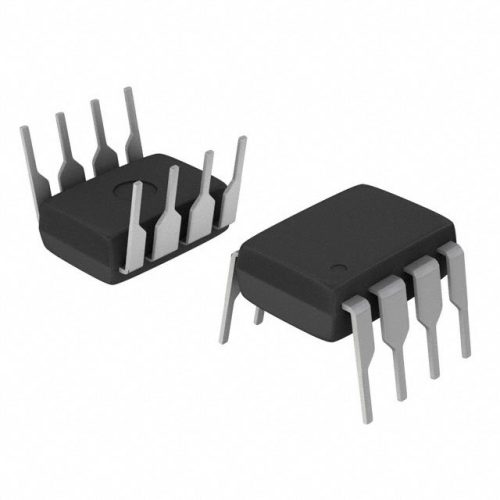
MSP430G2252IN20 Brand Info
The MSP430G2252IN20 is part of the MSP430 family from Texas Instruments. The MSP430 series is known for ultra-low-power MCU solutions tailored to battery-powered and portable systems. Texas Instruments supports the line with development tools, reference designs and documentation to help engineers accelerate prototyping and production.
FAQ
What is the CPU architecture?
The device uses a 16-bit MSP430 RISC architecture. That architecture focuses on reduced instruction count and low-power operation, which cuts code execution time and lowers active current compared with many legacy 8-bit designs.
🌟 Featured Products
-

“Buy MAX9312ECJ+ Precision Voltage Comparator in DIP Package for Reliable Performance”
-
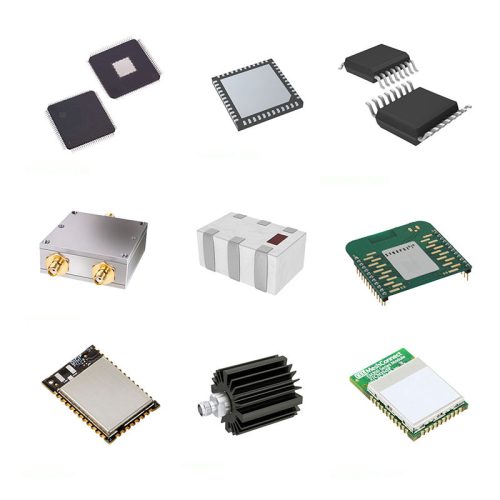
QCC-711-1-MQFN48C-TR-03-1 Bluetooth Audio SoC with MQFN48C Package

-

0339-671-TLM-E Model – High-Performance TLM-E Package for Enhanced Functionality

-
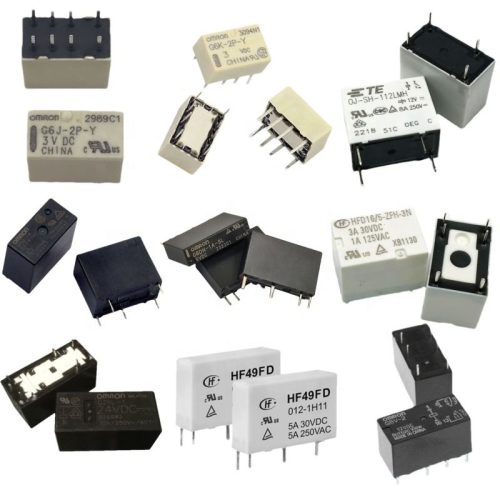
1-1415898-4 Connector Housing, Electrical Wire-to-Board, Receptacle, Packaged
What supply voltage does it need?
It operates across a low-voltage range from 1.8 V up to 3.6 V. This allows direct connection to typical single-cell lithium or standard 3.3 V systems without additional regulators in many designs.
Does it include an ADC?
Yes, a 10-bit analog-to-digital converter is integrated on-chip. The ADC enables direct measurement of analog sensors, reducing external components and simplifying board layout for precision sensing tasks.
📩 Contact Us
Which serial protocols are supported?
The Universal Serial Interface (USI) supports flexible serial modes, including UART-style, I2C and SPI-like communications. That flexibility helps interface multiple sensor types and peripheral devices with one peripheral block.
Is it suited for battery-powered products?
Yes, its multiple low-power modes and low active current profile make it well suited to battery-powered and energy-harvesting devices, extending operational life compared with many higher-power microcontrollers.