
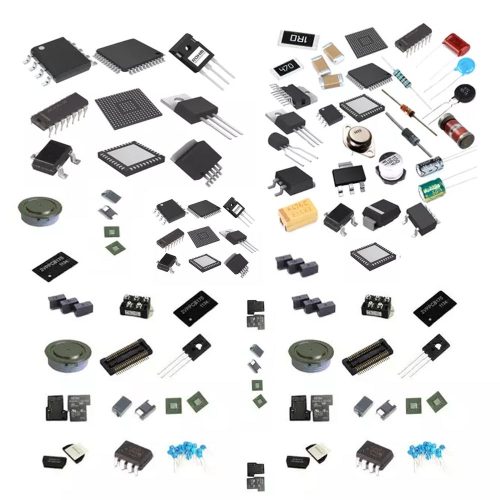

MSP430FR2475TRHBR Overview
The MSP430FR2475TRHBR is a low-power, 16?bit microcontroller in the MSP430 FRAM family designed for deterministic control and robust nonvolatile data storage. It combines FRAM nonvolatile memory with a compact peripheral set for mixed-signal and low-energy embedded designs. The device targets battery-powered and energy-conscious applications that require fast write speeds, high write endurance, and retention across power cycles. For distribution and sourcing, refer to IC Manufacturer.
MSP430FR2475TRHBR Technical Specifications
| Core | 16?bit MSP430 RISC CPU |
| FRAM (nonvolatile) | 16 KB |
| SRAM / Data RAM | 512 B |
| Maximum CPU Frequency | 16 MHz |
| Operating Voltage | 1.8 V to 3.6 V |
| ADC Resolution | 12?bit SAR ADC |
| Timers | Two 16?bit timer modules |
| Communication | eUSCI modules: UART, SPI, I2C |
| GPIO | Up to 24 general?purpose I/O pins |
| Package | RHB tape and reel industrial packing |
| Temperature Range | -40 ??C to +85 ??C |
MSP430FR2475TRHBR Key Features
- One FRAM memory subsystem that provides fast, byte?write nonvolatile storage and high endurance compared to traditional flash.
- 16?bit RISC core delivering efficient instruction throughput with lower code size and reduced power compared to higher?bit alternatives.
- Integrated mixed?signal peripherals (12?bit ADC, timers, eUSCI) for compact system integration and fewer external components.
- Low operating voltage range and multiple low?power modes for extended battery life in portable and sensor applications.
Typical Applications
- Battery?powered sensing and data?logging modules that need frequent nonvolatile writes and long data retention without heavy power draw.
- Industrial control endpoints and subcontrollers where deterministic low?power operation and reliable FRAM writes reduce maintenance cycles.
- Human?machine interface nodes and simple motor controllers that benefit from integrated UART/SPI/I2C and compact timing resources.
- Sensor fusion and metering front?ends that require fast analog sampling, small code footprint, and nonvolatile parameter storage across power cycles.
MSP430FR2475TRHBR Advantages vs Typical Alternatives
The device leverages FRAM to offer faster, more energy?efficient nonvolatile writes and far higher endurance than comparable flash?based microcontrollers. Its 16?bit core yields smaller code size and lower dynamic power than 32?bit alternatives for control tasks. Integrated 12?bit ADC and multiple serial interfaces reduce board complexity and BOM cost versus solutions that need discrete converters or external memory. For low?voltage, duty?cycled designs, the combination of extended low?power modes and FRAM persistence gives clear advantages in reliability and system lifetime.
🔥 Best-Selling Products
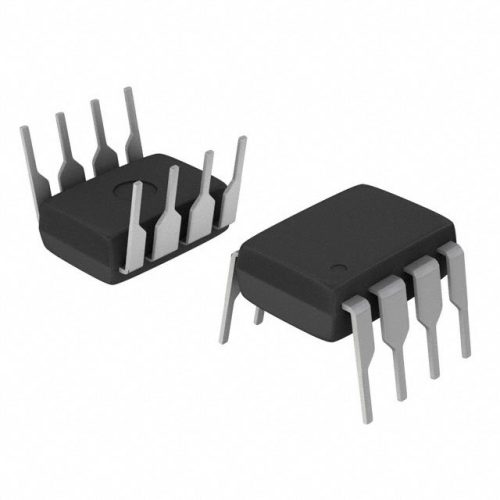
MSP430FR2475TRHBR Brand Info
The MSP430FR2475TRHBR is offered by Texas Instruments, a global semiconductor manufacturer known for precision analog, mixed?signal and embedded processing products. TI positions this MCU within its MSP430 FRAM family to address ultra?low?power embedded designs that require nonvolatile memory with high endurance and fast write performance.
FAQ
What memory type is used?
This MCU uses FRAM nonvolatile memory for program and data storage. FRAM supports fast, byte?level writes and high write endurance compared with flash, enabling frequent data logging and parameter updates without wear concerns.
🌟 Featured Products
-

“Buy MAX9312ECJ+ Precision Voltage Comparator in DIP Package for Reliable Performance”
-
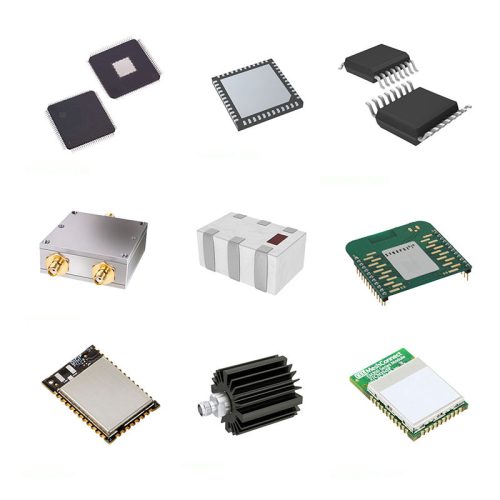
QCC-711-1-MQFN48C-TR-03-1 Bluetooth Audio SoC with MQFN48C Package

-

0339-671-TLM-E Model – High-Performance TLM-E Package for Enhanced Functionality

-
1-1415898-4 Connector Housing, Electrical Wire-to-Board, Receptacle, Packaged
What supply voltage is required?
The device operates across a low?voltage range suitable for battery systems. This range supports many single?cell lithium and multi?cell alkaline designs while allowing low?power operation in portable applications.
Which serial interfaces are available?
On?chip eUSCI modules provide standard serial connectivity including UART, SPI and I2C. These interfaces let the MCU communicate with sensors, radios, displays and other peripherals without extra bridge ICs.
📩 Contact Us
Is this suitable for battery applications?
Yes. The combination of low operating voltage, ultra?low?power modes and FRAM persistence makes it appropriate for battery?powered systems that need long life and periodic data writes.
What temperature range does it support?
The device is specified for industrial operation and is suitable for -40 ??C to +85 ??C environments, meeting common requirements for industrial and outdoor embedded systems.