
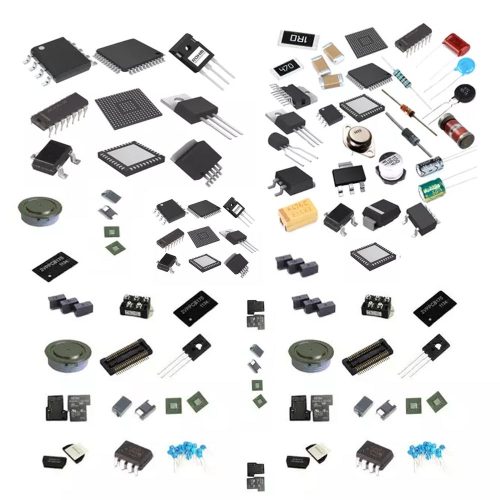

MSP430FR2311IPW16 Overview
The MSP430FR2311IPW16 is a low-power, 16-bit microcontroller optimized for battery-powered, sensor, and control applications. It combines a compact 16-pin package with non-volatile FRAM memory for fast writes, low power consumption, and high endurance. The device supports a wide supply range and common serial peripherals for connectivity and simple user interfaces. For sourcing and additional device family details visit IC Manufacturer.
MSP430FR2311IPW16 Technical Specifications
| CPU | 16-bit RISC |
| Maximum Clock | 16 MHz |
| Non-volatile Memory (FRAM) | 2 KB |
| SRAM | 128 bytes |
| Operating Voltage | 1.8 ?C 3.6 V |
| Package | 16-pin VQFN (IPW16) |
| Ambient Temperature Range | ?40 ??C to +85 ??C |
| GPIO Pins | 12 general-purpose I/O |
| Timers | 16-bit Timer_A |
| Serial Interfaces | USCI (UART/SPI/I2C) |
MSP430FR2311IPW16 Key Features
- Single 16?bit core with deterministic instruction execution, enabling efficient control code and compact ISR routines.
- Embedded FRAM memory that allows fast, low?energy non?volatile writes, reducing write latency versus flash and improving data-logging cycles.
- Ultra-low supply operation across 1.8?C3.6 V for extended battery life in portable and remote deployments.
- Integrated serial peripherals (UART/SPI/I2C) that simplify sensor, display, and comms integration without external interface ICs.
Typical Applications
- Battery-powered sensor nodes that require frequent non-volatile logging and long standby lifetimes while keeping system size and cost low.
- Portable measurement instruments that need fast, repeated FRAM writes for calibration data and event storage with minimal power overhead.
- Industrial control interfaces where deterministic 16-bit processing and a small 16-pin footprint enable compact boards and simple control loops.
- Consumer user-interface controllers for small appliances, handheld devices, and wearables requiring UART/SPI/I2C and low-power sleep modes.
MSP430FR2311IPW16 Advantages vs Typical Alternatives
The device combines FRAM memory with a 16-bit MCU core for faster non-volatile writes and higher endurance than standard flash-based microcontrollers. It operates across a wider low-voltage range and in a smaller 16-pin package than many alternatives, making it more suitable for space-constrained designs. The integrated serial interfaces and low-power timers reduce external component count and system power, improving overall BOM cost and battery runtime.
🔥 Best-Selling Products
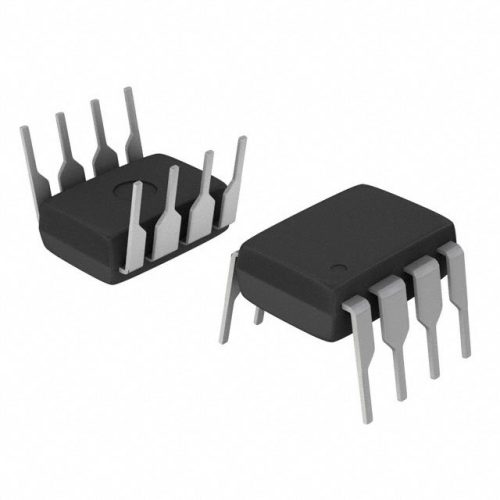
MSP430FR2311IPW16 Brand Info
The MSP430FR2311IPW16 is part of Texas Instruments’ MSP430 family. TI positions this line for ultra-low-power embedded control with FRAM technology, targeting battery-operated and industrial systems that need robust non-volatile storage and efficient peripheral integration.
FAQ
What is the core architecture?
The device uses a 16-bit RISC CPU core. This architecture delivers compact code, efficient control-flow, and deterministic timing for real-time and low-power embedded tasks.
🌟 Featured Products
-

“Buy MAX9312ECJ+ Precision Voltage Comparator in DIP Package for Reliable Performance”
-
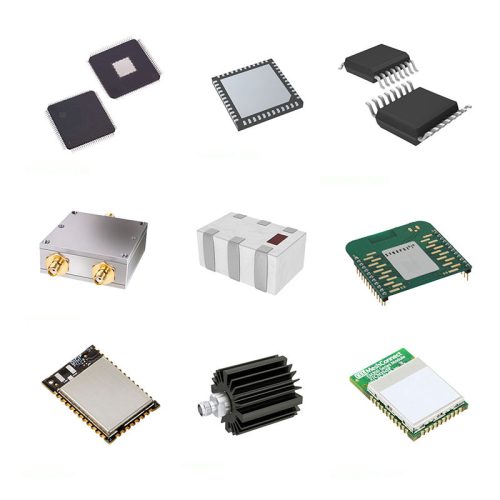
QCC-711-1-MQFN48C-TR-03-1 Bluetooth Audio SoC with MQFN48C Package

-

0339-671-TLM-E Model – High-Performance TLM-E Package for Enhanced Functionality

-
1-1415898-4 Connector Housing, Electrical Wire-to-Board, Receptacle, Packaged
What non-volatile memory does it use?
This MCU uses embedded FRAM (ferroelectric RAM). FRAM enables fast, low-energy, and high-endurance writes compared with conventional flash memory, which benefits frequent logging and calibration storage.
Which serial interfaces are available?
On-chip serial peripherals include a USCI module supporting UART, SPI, and I2C modes. These enable direct connections to sensors, displays, and communication transceivers without extra interface chips.
📩 Contact Us
What supply voltage range does it support?
The device supports operation across a low-voltage range from 1.8 V up to 3.6 V. This range supports common battery chemistries and single-cell systems while preserving robustness in 3.3 V systems.
Is this MCU suitable for harsh environments?
The specified ambient range covers industrial temperatures from ?40 ??C to +85 ??C. The small VQFN package and low-pin count also support rugged board designs with minimal footprint and thermal mass.