
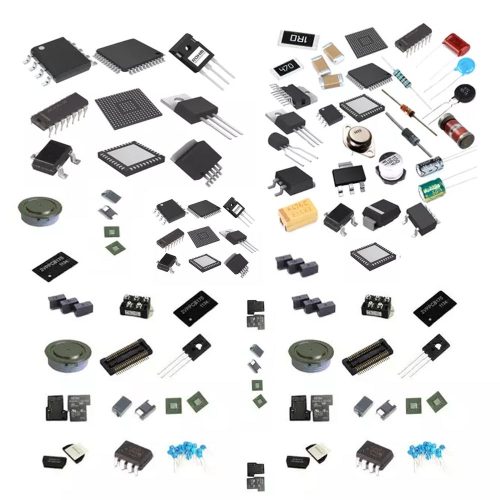

MSP430F435IPN Overview
The MSP430F435IPN is a low-power, 16?bit mixed?signal microcontroller optimized for precision analog control and efficient embedded processing. It combines a compact core with on?chip peripherals to reduce board count and lower system cost. Typical use favors battery?powered and industrial control designs where low sleep current, multiple serial interfaces, and integrated analog functions are more important than raw MHz performance. For sourcing and manufacturer details see IC Manufacturer.
MSP430F435IPN Technical Specifications
| CPU | 16?bit RISC core |
| Max Clock Frequency | Up to 25 MHz |
| Flash Memory | 128 KB |
| SRAM | 8 KB |
| Operating Voltage | 1.8 V to 3.6 V |
| ADC Resolution | 12?bit |
| Timers | 3 ?? 16?bit timers |
| Interfaces | Multiple UART/SPI/I2C (USCI) modules |
| I/O Pins | 56 general?purpose I/O |
| Package | 80?pin LQFP |
| Operating Temperature | -40 ??C to +85 ??C |
| Low?Power Modes | Multiple low?power states for reduced standby current |
MSP430F435IPN Key Features
- 16?bit CPU delivers efficient code density and lower cycle counts compared with 8?bit MCUs, reducing flash usage and speeding execution for control tasks.
- Integrated 12?bit ADC supports accurate analog sensing without external converters, which matters for cost, board area, and noise immunity.
- Multiple serial interfaces (UART/SPI/I2C) enable flexible peripheral connectivity and simpler integration with sensors, memory, and wireless modules.
- On?chip timers give precise PWM and timing control for motor drive, power conversion, or LED dimming, improving determinism compared with software timing.
- Wide supply range (1.8?C3.6 V) allows compatibility with both 3.3 V and 2.5 V systems, providing more design choices and battery options.
- Small 80?pin package offers a balance of I/O count and PCB area for medium?density applications compared with larger QFPs or smaller TSSOPs.
- Multiple low?power modes lower system energy consumption in standby and extend battery life versus always?on designs.
- Generous flash and SRAM (128 KB flash, 8 KB RAM) support larger firmware, more features, and OTA updates when compared to lower?memory microcontrollers.
Typical Applications
- Battery?powered sensor nodes requiring sub?milliamp sleep current, precise 12?bit analog sampling, and multiple serial links for local aggregation and wireless backhaul.
- Industrial control modules where deterministic timers, 12?bit ADC feedback, and a 16?bit CPU deliver tighter closed?loop control and higher reliability over 8?bit alternatives.
- Portable medical instruments that need compact packaging, accurate analog front?ends, and low standby power to extend operating time between charges.
- Consumer and building automation devices that benefit from integrated ADCs, multiple communications interfaces, and moderate flash for feature?rich firmware updates.
MSP430F435IPN Advantages vs Typical Alternatives
The device pairs low active and standby power with a 16?bit architecture, offering better energy efficiency and code density than many 8?bit microcontrollers. Compared with higher?clock 32?bit MCUs, it often provides lower quiescent current and simpler analog integration, which reduces BOM cost and PCB complexity. With 128 KB flash and multiple serial ports, it sits between smallest-memory parts and high?end MCUs, making it a balanced choice for mid?range embedded designs that need reliable analog performance and long battery life.
🔥 Best-Selling Products
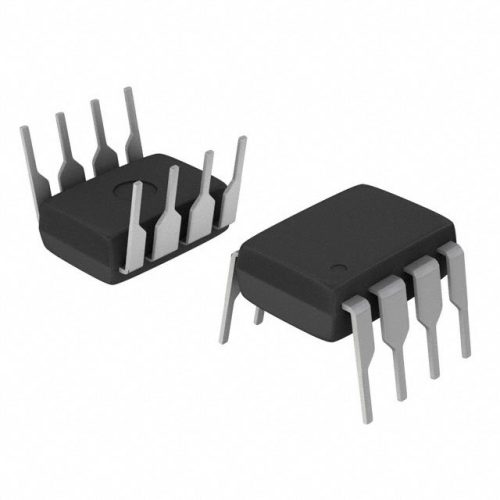
MSP430F435IPN Brand Info
The MSP430 series is produced by Texas Instruments, a global semiconductor company. This family emphasizes ultra?low power mixed?signal MCUs for sensing and control. The MSP430F435IPN reflects the brand??s focus on compact, reliable components suited to industrial and portable applications.
FAQ
What core architecture does it use?
The device uses a 16?bit RISC CPU architecture designed for efficient code density and deterministic interrupt response. This architecture is common across the MSP430 product line for low?power control tasks.
🌟 Featured Products
-

“Buy MAX9312ECJ+ Precision Voltage Comparator in DIP Package for Reliable Performance”
-
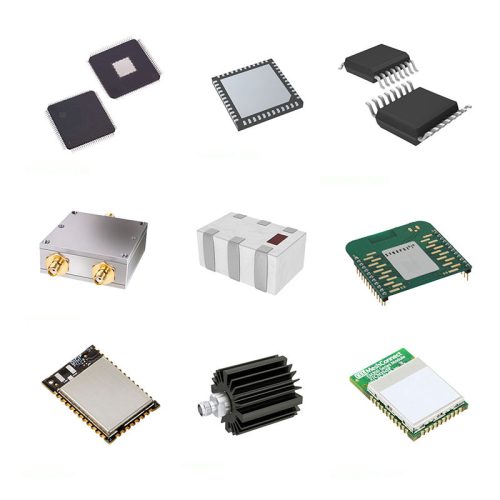
QCC-711-1-MQFN48C-TR-03-1 Bluetooth Audio SoC with MQFN48C Package

-

0339-671-TLM-E Model – High-Performance TLM-E Package for Enhanced Functionality

-
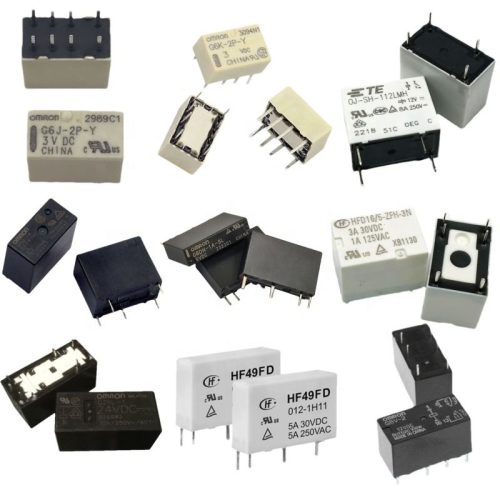
1-1415898-4 Connector Housing, Electrical Wire-to-Board, Receptacle, Packaged
What is the supply voltage range?
It accepts a nominal supply range from 1.8 V up to 3.6 V, enabling operation from common battery chemistries and 3.3 V system rails without external level shifting for most peripherals.
How many analog channels are available?
The on?chip ADC provides 12?bit resolution for multiple analog inputs, enabling precise signal acquisition without external converters, which simplifies analog front?end design and reduces cost.
📩 Contact Us
Which packages are offered?
The part is available in a compact 80?pin LQFP package that balances I/O availability and PCB footprint for medium?density applications and industrial use.
Is it suitable for battery operation?
Yes. Multiple low?power modes and a wide operating voltage range make the device well suited to battery?powered applications where low standby and sleep currents are critical to extend service life.