

ATSAMR34J18BT-I/7JX Overview
The ATSAMR34J18BT-I/7JX is a highly integrated, low-power RF transceiver designed for sub-GHz wireless communication applications. Combining a 32-bit ARM Cortex-M0+ microcontroller with a high-performance LoRa?/FSK/OOK transceiver, it offers flexible modulation schemes and long-range connectivity in compact, energy-efficient packages. This device supports multiple frequency bands with robust sensitivity and optimized power consumption, making it ideal for industrial IoT, smart metering, and sensor networks. Engineers and sourcing specialists benefit from its integrated architecture that reduces BOM complexity and accelerates time-to-market. More details are available from IC Manufacturer.
ATSAMR34J18BT-I/7JX Technical Specifications
| Parameter | Specification |
|---|---|
| Core Processor | 32-bit ARM Cortex-M0+ |
| Operating Frequency | 868 MHz (ISM Band) |
| Modulation Modes | LoRa?, FSK, GFSK, OOK |
| RF Output Power | +14 dBm (typical) |
| Receiver Sensitivity | Down to -137 dBm (LoRa, 125 kHz BW) |
| Supply Voltage | 1.8 V to 3.6 V |
| Current Consumption (Transmit) | Approximately 125 mA at +14 dBm |
| Current Consumption (Receive) | Approximately 12.5 mA |
| Package | 32-pin QFN, 5 x 5 mm |
| Temperature Range | -40??C to +85??C |
ATSAMR34J18BT-I/7JX Key Features
- Integrated ARM Cortex-M0+ Core: Enables efficient processing and real-time control with low power consumption, reducing the need for external MCUs.
- Multi-Protocol Support: Supports LoRa?, FSK, GFSK, and OOK modulations, providing versatile communication options for various wireless network requirements.
- High Sensitivity Receiver: Offers excellent link budget down to -137 dBm for reliable long-distance communication in challenging RF environments.
- Low Power Operation: Optimized current consumption in both transmit and receive modes extends battery life in portable and remote devices.
- Compact QFN Package: Small footprint facilitates integration into space-constrained designs without sacrificing performance.
- Flexible Supply Voltage Range: Operates efficiently across 1.8 V to 3.6 V, enabling compatibility with various power sources.
- Robust Industrial Temperature Range: Supports deployment in harsh environments, ensuring reliability across a wide temperature spectrum.
ATSAMR34J18BT-I/7JX Advantages vs Typical Alternatives
This transceiver stands out by combining a powerful ARM Cortex-M0+ core with a high-sensitivity RF front end, delivering superior link range and low power consumption compared to typical sub-GHz devices. Its multi-modulation capability offers greater flexibility, while the integrated architecture reduces external components and development effort. This results in improved system reliability and faster time-to-market, making it a preferred choice for industrial-grade wireless applications.
🔥 Best-Selling Products

Typical Applications
- Industrial IoT networks requiring robust, long-range wireless communication with low power consumption, such as factory automation and predictive maintenance systems.
- Smart metering solutions for utilities, leveraging LoRa? modulation to enable wide-area coverage and secure data transmission.
- Wireless sensor networks where compact size and energy efficiency are critical to extending device operational lifetime.
- Remote monitoring and control applications in agriculture, enabling real-time data acquisition across extensive fields.
ATSAMR34J18BT-I/7JX Brand Info
The ATSAMR34J18BT-I/7JX is part of a family of advanced sub-GHz transceiver modules designed and manufactured with a focus on integration, performance, and flexibility. Developed by a leading semiconductor provider, this product integrates a microcontroller and RF transceiver in a single compact package. It supports multiple modulation schemes and operates efficiently across industrial temperature ranges. This device is engineered for demanding wireless applications, providing reliable connectivity solutions tailored for the evolving needs of industrial and IoT ecosystems.
FAQ
What modulation schemes does this transceiver support?
This device supports multiple modulation schemes including LoRa?, Frequency Shift Keying (FSK), Gaussian Frequency Shift Keying (GFSK), and On-Off Keying (OOK). This versatility allows it to be used in a wide range of wireless communication protocols and network types.
🌟 Featured Products
-

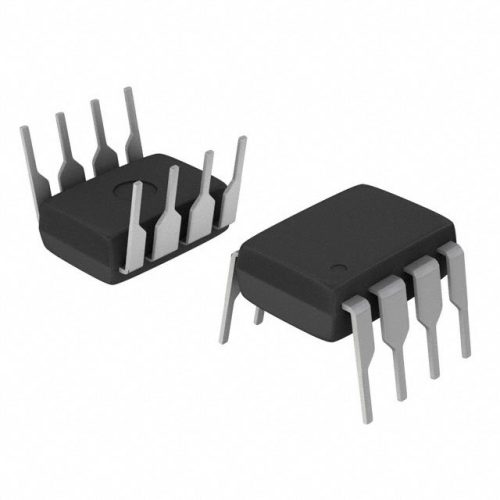
“Buy MAX9312ECJ+ Precision Voltage Comparator in DIP Package for Reliable Performance”
-
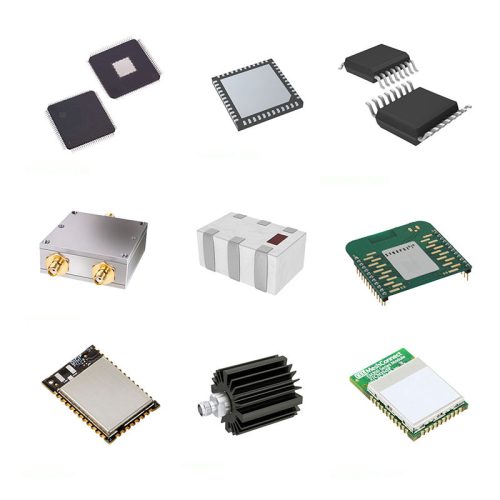
QCC-711-1-MQFN48C-TR-03-1 Bluetooth Audio SoC with MQFN48C Package

-

0339-671-TLM-E Model – High-Performance TLM-E Package for Enhanced Functionality

-
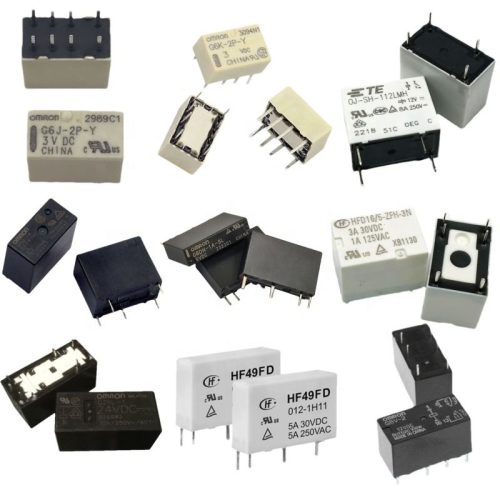
1-1415898-4 Connector Housing, Electrical Wire-to-Board, Receptacle, Packaged
What is the typical operating voltage range for this module?
The transceiver operates within a supply voltage range of 1.8 V to 3.6 V, providing flexibility for integration with various power sources such as batteries or regulated power supplies.
How does the receiver sensitivity impact wireless range?
With a receiver sensitivity down to -137 dBm using LoRa modulation at 125 kHz bandwidth, the device can detect very weak signals. This high sensitivity translates to longer communication distances and improved reliability in noisy or obstructed RF environments.
📩 Contact Us
Can this transceiver be used in industrial temperature environments?
Yes, it supports operation across an industrial temperature range from -40??C to +85??C, making it suitable for deployment in harsh and demanding environmental conditions.
What packaging does this module come in, and how does it affect integration?
The component is available in a 32-pin QFN package measuring 5 x 5 mm. This small form factor simplifies integration into compact designs and helps reduce overall PCB size, beneficial for space-constrained applications.

