
MICRF113YM6-TR Overview
The MICRF113YM6-TR is a high-performance, low-power AM superheterodyne receiver designed specifically for industrial remote control and wireless data communication applications. This compact 6-pin device features an integrated RF front-end and demodulator optimized for operation in the 300 to 450 MHz frequency range. Its efficient architecture enables superior sensitivity and selectivity while maintaining low current consumption, making it ideal for battery-powered systems. The device??s robust design supports reliable wireless data reception in noisy environments, providing engineers and sourcing specialists with a dependable solution for cost-sensitive and space-constrained applications. Available through IC Manufacturer, it meets rigorous industrial standards for performance and integration.
MICRF113YM6-TR Technical Specifications
| Parameter | Specification |
|---|---|
| Operating Frequency Range | 300 MHz to 450 MHz |
| Supply Voltage (VDD) | 2.2 V to 5.5 V |
| Current Consumption | Typically 3.5 mA at 3 V |
| RF Sensitivity | -112 dBm at 1.2 kbps |
| Modulation Type | Amplitude Modulation (AM) |
| Intermediate Frequency (IF) | 455 kHz |
| Data Rate | Up to 10 kbps |
| Package | 6-pin SOT-23 |
| Operating Temperature Range | -40??C to +85??C |
MICRF113YM6-TR Key Features
- Integrated Superheterodyne Receiver: Enhances signal selectivity and sensitivity, enabling reliable reception of weak RF signals in challenging industrial environments.
- Low Power Consumption: Consumes only 3.5 mA typically, which extends battery life in portable and remote wireless devices.
- Wide Frequency Range: Supports operation from 300 MHz to 450 MHz, offering flexibility for various regional ISM bands and frequency allocations.
- Single-Supply Operation: Functions efficiently from 2.2 V to 5.5 V, simplifying power supply design and integration into existing systems.
- Compact 6-Pin SOT-23 Package: Minimizes PCB footprint, facilitating space-constrained designs without compromising performance.
- High Sensitivity: Achieves -112 dBm sensitivity at low data rates, ensuring dependable data reception even in low signal conditions.
- Robust Temperature Range: Rated for industrial temperatures (-40??C to +85??C), suitable for harsh environments.
MICRF113YM6-TR Advantages vs Typical Alternatives
This device offers significant advantages over typical AM receiver alternatives through its superior sensitivity and low power consumption, which enhances battery life and signal integrity. Its integrated superheterodyne architecture ensures better selectivity and reduces interference compared to simple super-regenerative receivers. The wide supply voltage range and compact package improve design flexibility and ease of integration into diverse wireless applications, making it a reliable and efficient choice for industrial-grade remote control and data communication systems.
🔥 Best-Selling Products
-
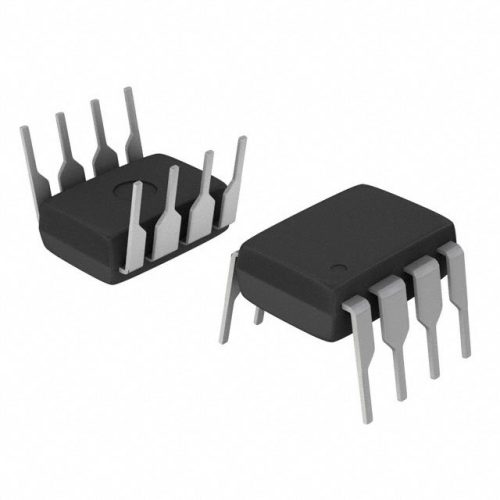
Texas Instruments BQ24075 Linear Battery Charger IC – 5mm x 4mm QFN Package
-
Texas Instruments INA219 Current Sensor Module – SOIC Package, Precision Monitoring
-
Texas Instruments LM4041 Precision Voltage Reference – SOT-23 Package
-
Texas Instruments OPA2134 Audio Op Amp – Dual, High-Performance, SOIC-8 Package
Typical Applications
- Industrial remote control systems requiring robust, low-power wireless data reception in the 300?C450 MHz band, such as motor controls and automated machinery interfaces.
- Wireless data communication modules where compact size and low current consumption are critical for battery-powered sensor networks.
- Security and alarm systems employing remote RF signaling with reliable decoding of AM signals over moderate distances.
- Consumer and commercial applications requiring cost-effective, high-performance AM receivers in compact wireless devices.
MICRF113YM6-TR Brand Info
The MICRF113YM6-TR is a product from a well-established semiconductor portfolio known for precision RF components tailored to industrial and commercial wireless applications. This device embodies the brand??s commitment to delivering reliable, efficient, and compact solutions for remote control and data communication challenges. By integrating advanced receiver architectures within a minimal footprint, it supports engineers and sourcing specialists in achieving performance targets while optimizing cost and power budgets. The product??s consistency and industrial-grade specifications reinforce its suitability for demanding environments.
FAQ
What is the primary modulation type supported by this receiver?
The device supports Amplitude Modulation (AM), which is widely used in remote control and wireless data communication systems. This modulation type allows straightforward demodulation and reliable performance in its operating frequency range.
🌟 Featured Products
-

“Buy MAX9312ECJ+ Precision Voltage Comparator in DIP Package for Reliable Performance”
-
QCC-711-1-MQFN48C-TR-03-1 Bluetooth Audio SoC with MQFN48C Package
-

0339-671-TLM-E Model – High-Performance TLM-E Package for Enhanced Functionality
-
1-1415898-4 Connector Housing, Electrical Wire-to-Board, Receptacle, Packaged
Can this receiver operate at voltages below 3 V?
Yes, it supports a supply voltage range from 2.2 V up to 5.5 V, making it compatible with low-voltage battery-powered applications and various system power rails without additional regulation.
What frequency bands is this device designed for?
The device is optimized for operation within the 300 MHz to 450 MHz frequency range, covering common industrial, scientific, and medical (ISM) bands and other regional frequency allocations suitable for wireless remote control and data systems.
📩 Contact Us
How does the device perform in terms of sensitivity?
It achieves a typical sensitivity of -112 dBm at data rates around 1.2 kbps, allowing it to detect very weak signals. This high sensitivity enhances the reliability of wireless communication in environments with low signal strength or interference.
What package type does this device come in, and why is it beneficial?
The receiver is housed in a 6-pin SOT-23 package, which offers a very small footprint. This compact size is beneficial for space-constrained designs and helps reduce the overall PCB area, supporting miniaturization efforts in wireless device development.

