

HMC1084LC4 Overview
The HMC1084LC4 is a high-performance, low-noise amplifier designed for microwave and RF signal conditioning. It features a wide frequency range covering 0.01 to 10 GHz, making it suitable for diverse industrial and communication applications. This device delivers excellent gain flatness, low noise figure, and high linearity, ensuring signal integrity in demanding environments. Its compact 4-lead package facilitates easy integration into existing systems. Engineers and sourcing specialists will appreciate its reliability and efficient power consumption, providing robust performance in sensitive signal amplification tasks. For more detailed specifications and purchasing options, visit IC Manufacturer.
HMC1084LC4 Technical Specifications
| Parameter | Specification |
|---|---|
| Frequency Range | 0.01 GHz to 10 GHz |
| Gain | 18 dB (typical) |
| Noise Figure | 3.5 dB (typical) |
| Input Return Loss | 12 dB (typical) |
| Output Return Loss | 10 dB (typical) |
| Output Power at 1 dB Compression | 18 dBm (typical) |
| Supply Voltage | +5 V |
| Current Consumption | 70 mA (typical) |
HMC1084LC4 Key Features
- Wideband Operation: Supports 10 MHz to 10 GHz frequency range, enabling versatile use across multiple RF and microwave applications.
- Low Noise Figure: Minimizes signal degradation for improved system sensitivity and performance in communication and radar systems.
- High Gain: Provides approximately 18 dB gain, enhancing weak signals while maintaining linearity for accurate amplification.
- Compact 4-Lead Package: Facilitates easy PCB integration and thermal management, supporting high-density circuit designs.
HMC1084LC4 Advantages vs Typical Alternatives
This amplifier offers a superior combination of low noise figure and high gain over a broad frequency range, which makes it highly effective compared to typical alternatives. Its low current consumption and compact package enhance system efficiency and reduce board space requirements. The robust linearity and stable gain profile support reliable performance in complex RF front-end designs, distinguishing it from less optimized counterparts.
🔥 Best-Selling Products
-
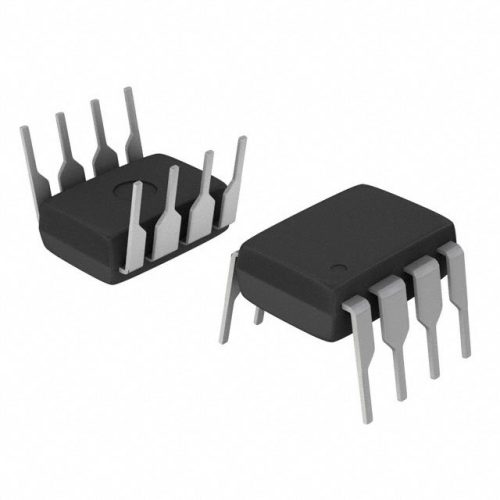
Texas Instruments BQ24075 Linear Battery Charger IC – 5mm x 4mm QFN Package
-
Texas Instruments INA219 Current Sensor Module – SOIC Package, Precision Monitoring
-
Texas Instruments LM4041 Precision Voltage Reference – SOT-23 Package
-
Texas Instruments OPA2134 Audio Op Amp – Dual, High-Performance, SOIC-8 Package
Typical Applications
- Wireless Communication Systems: Ideal for front-end amplification in base stations and transceivers, supporting wideband signal processing and improved link budget.
- Radar Systems: Enhances signal detection sensitivity and range by providing low-noise amplification of received microwave signals.
- Test and Measurement Equipment: Used in signal conditioning circuits to maintain signal integrity across a broad frequency spectrum.
- Satellite Communications: Supports high-frequency signal amplification with minimal distortion, crucial for reliable satellite link performance.
HMC1084LC4 Brand Info
This low-noise amplifier is part of a series of high-frequency components designed and manufactured with precision semiconductor processes. The product line focuses on delivering reliable, high-performance RF solutions for industrial, aerospace, and telecommunication markets. The device’s brand reputation emphasizes innovation, quality, and support, ensuring engineers receive components that meet stringent technical demands and operational standards.
FAQ
What is the typical noise figure of this amplifier, and why is it important?
The typical noise figure of the device is approximately 3.5 dB. A low noise figure is crucial because it reduces signal degradation during amplification, improving the overall system sensitivity and allowing for clearer signal reception in RF applications.
🌟 Featured Products
-

“Buy MAX9312ECJ+ Precision Voltage Comparator in DIP Package for Reliable Performance”
-
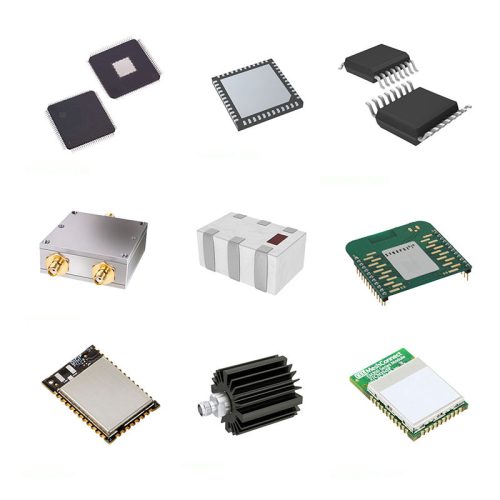
QCC-711-1-MQFN48C-TR-03-1 Bluetooth Audio SoC with MQFN48C Package
-

0339-671-TLM-E Model – High-Performance TLM-E Package for Enhanced Functionality
-
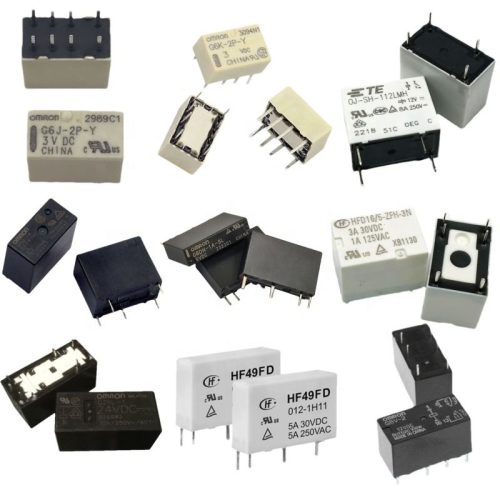
1-1415898-4 Connector Housing, Electrical Wire-to-Board, Receptacle, Packaged
Can this amplifier operate across the entire 0.01 GHz to 10 GHz frequency range without performance loss?
Yes, the amplifier is designed to maintain consistent gain and low noise figure throughout its 0.01 GHz to 10 GHz operating range. This wideband performance allows for versatile use in various RF and microwave systems without the need for multiple amplifiers.
What is the power supply requirement for this component?
The device requires a single +5 V supply voltage, with a typical current consumption of 70 mA.
