

HMC536LP2ETR Overview
The HMC536LP2ETR is a high-performance, low noise amplifier (LNA) designed for operation across a wide frequency range from 0.1 to 6.0 GHz. It offers exceptional gain with low noise figure, making it ideal for sensitive RF front-end applications. Packaged in a compact 4×4 mm surface-mount package, this device supports a single +5 V supply for ease of integration in complex systems. Its robust linearity and flat gain response ensure enhanced signal fidelity and consistent performance in demanding industrial and communications environments. For more details, visit IC Manufacturer.
HMC536LP2ETR Technical Specifications
| Parameter | Specification |
|---|---|
| Frequency Range | 0.1 to 6.0 GHz |
| Gain | 22 dB (typical) |
| Noise Figure | 1.8 dB (typical at 2.0 GHz) |
| Input Return Loss | ?? 10 dB |
| Output Return Loss | ?? 10 dB |
| Output P1dB Compression Point | +14 dBm (typical) |
| Operating Voltage | +5 V |
| Current Consumption | 65 mA (typical) |
| Package | 4 x 4 mm QFN |
HMC536LP2ETR Key Features
- Wideband Operation: Supports 0.1 to 6 GHz frequency range, enabling versatile use across multiple RF systems and frequency bands.
- High Gain with Low Noise Figure: Provides 22 dB gain with a noise figure as low as 1.8 dB, improving signal sensitivity and overall system performance.
- Compact Surface-Mount Package: The 4×4 mm QFN package facilitates easy PCB integration, reducing board space and supporting high-density designs.
- Robust Linearity: +14 dBm output P1dB compression point ensures reliable operation in high-interference environments without signal distortion.
HMC536LP2ETR Advantages vs Typical Alternatives
This amplifier offers superior gain-to-noise figure ratio compared to many standard LNAs, enhancing receiver sensitivity. Its wide frequency coverage and compact packaging support versatile applications without compromising performance. The low current consumption and high linearity provide improved efficiency and reliability, making it a preferred choice over typical alternatives that may lack either frequency range or integration ease.
🔥 Best-Selling Products

Typical Applications
- Wireless Infrastructure: Ideal for base station receivers requiring low noise amplification across multiple frequency bands to improve signal clarity and network reliability.
- Radar Systems: Enhances signal detection sensitivity in radar front-ends operating up to 6 GHz, supporting precision tracking and imaging.
- Test and Measurement Equipment: Facilitates accurate signal amplification with low distortion for RF test instruments.
- Satellite Communications: Supports low noise amplification in satellite transceivers, improving link quality and data throughput.
HMC536LP2ETR Brand Info
The HMC536LP2ETR is part of a line of high-performance RF components designed for demanding industrial and communications applications. Known for reliability and precision, this product exemplifies the brand??s commitment to delivering advanced semiconductor solutions that enhance system performance. It is engineered to meet rigorous standards in gain, noise figure, and linearity, supporting next-generation wireless and RF technologies.
FAQ
What is the typical noise figure of this low noise amplifier across its operating frequency?
The typical noise figure is 1.8 dB at 2 GHz, which indicates excellent noise performance, contributing to improved receiver sensitivity and overall system signal-to-noise ratio.
🌟 Featured Products
-

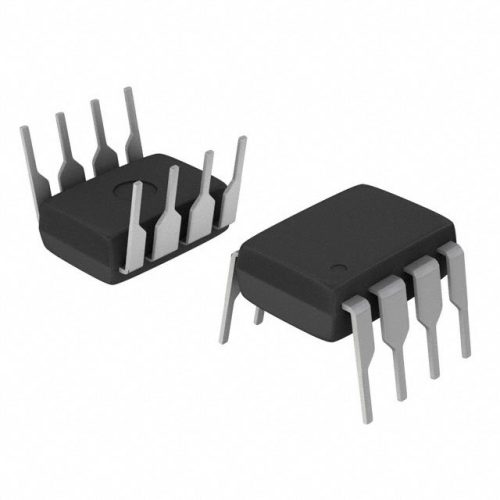
“Buy MAX9312ECJ+ Precision Voltage Comparator in DIP Package for Reliable Performance”
-
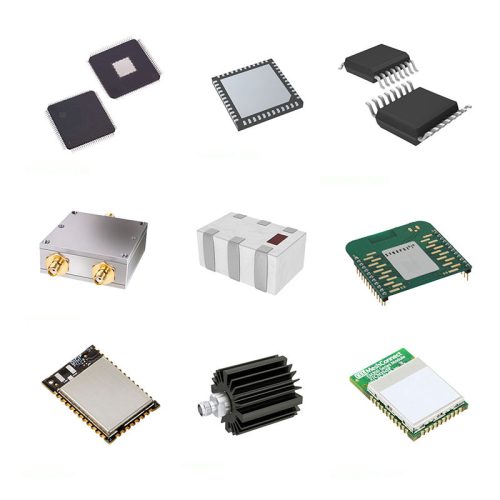
QCC-711-1-MQFN48C-TR-03-1 Bluetooth Audio SoC with MQFN48C Package

-

0339-671-TLM-E Model – High-Performance TLM-E Package for Enhanced Functionality

-
1-1415898-4 Connector Housing, Electrical Wire-to-Board, Receptacle, Packaged
Can the device operate reliably at frequencies above 5 GHz?
Yes, the device supports broadband operation up to 6 GHz, maintaining consistent gain and low noise figure, making it suitable for applications requiring wide frequency coverage.
What supply voltage does this amplifier require for optimal operation?
The device operates on a single +5 V supply, simplifying power management and integration into existing system architectures without the need for multiple voltage rails.
