

HMC264LC3BTR Overview
The HMC264LC3BTR is a high-performance GaAs MMIC distributed amplifier designed for broadband amplification from DC to 26.5 GHz. It delivers up to 22 dB gain with excellent linearity and low noise figure, making it ideal for demanding RF and microwave applications. Packaged in a compact 3×3 mm surface-mount package, the device supports high reliability and ease of integration into complex signal chains. With a robust power supply range and stable operation, this amplifier is suited for broadband test equipment, radar, communications, and instrumentation systems. For detailed sourcing and technical support, visit IC Manufacturer.
HMC264LC3BTR Technical Specifications
| Parameter | Specification |
|---|---|
| Frequency Range | DC to 26.5 GHz |
| Small Signal Gain | 22 dB (typical) |
| Noise Figure | 4.5 dB (typical at 12 GHz) |
| Output P1dB Compression Point | +19 dBm (typical) |
| Input Return Loss | 12 dB (typical) |
| Output Return Loss | 12 dB (typical) |
| Supply Voltage | +5 V (typical) |
| Supply Current | 115 mA (typical) |
| Package | 3×3 mm SMT, 16-lead |
HMC264LC3BTR Key Features
- Broadband Amplification: Provides consistent gain from DC to 26.5 GHz, enabling versatile use across multiple RF bands.
- High Linearity: Supports up to +19 dBm output P1dB, ensuring signal integrity in high dynamic range systems.
- Low Noise Figure: Typical noise figure of 4.5 dB reduces signal degradation, critical for sensitive receiver front-ends.
- Compact Surface-Mount Package: 3×3 mm SMT footprint facilitates dense PCB layouts and simplifies integration into existing designs.
- Robust Power Supply Range: Operates at +5 V with moderate current consumption, balancing performance and power efficiency.
HMC264LC3BTR Advantages vs Typical Alternatives
This amplifier stands out by combining a wide frequency range with high gain and low noise in a small SMT package. Compared to typical discrete or hybrid amplifiers, it offers improved linearity and noise performance, enabling better signal fidelity and system sensitivity. Its integration-friendly footprint and moderate power requirements also reduce system complexity and thermal management challenges.
🔥 Best-Selling Products

Typical Applications
- Broadband test and measurement equipment requiring stable gain and low noise across wide frequency ranges.
- Radar systems where high linearity and broad bandwidth support accurate target detection and tracking.
- Satellite and microwave communications amplifiers demanding efficient gain and low distortion.
- Instrumentation and spectrum analyzers benefiting from compact size and consistent performance from DC to microwave frequencies.
HMC264LC3BTR Brand Info
The HMC264LC3BTR is a precision GaAs MMIC amplifier from a leading semiconductor manufacturer specializing in high-frequency RF and microwave components. This product is part of a portfolio engineered for demanding industrial and defense applications, where reliability, performance, and integration are critical. The brand is known for rigorous quality control and comprehensive application support, ensuring that engineers and sourcing specialists receive proven, production-ready solutions.
FAQ
What frequency range does this amplifier cover?
The device operates over a broad frequency range from DC up to 26.5 GHz, making it suitable for applications spanning low-frequency through microwave bands.
🌟 Featured Products
-

“Buy MAX9312ECJ+ Precision Voltage Comparator in DIP Package for Reliable Performance”
-
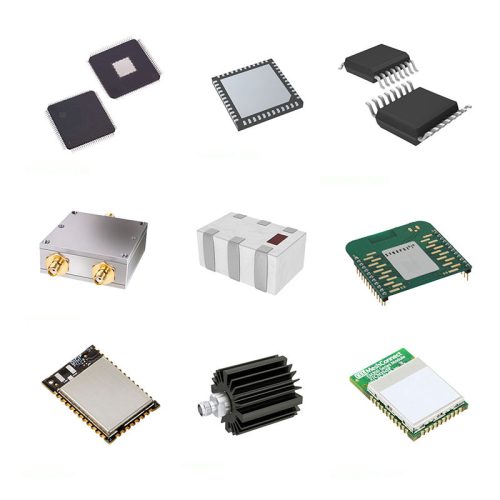
QCC-711-1-MQFN48C-TR-03-1 Bluetooth Audio SoC with MQFN48C Package

-

0339-671-TLM-E Model – High-Performance TLM-E Package for Enhanced Functionality

-
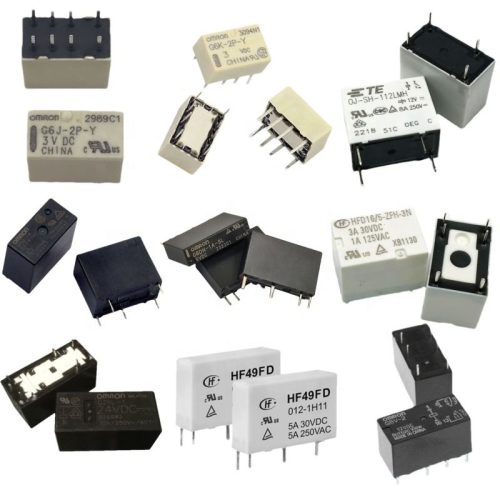
1-1415898-4 Connector Housing, Electrical Wire-to-Board, Receptacle, Packaged
What are the power supply requirements for this amplifier?
It requires a single +5 V supply with a typical current draw of 115 mA, which offers a balance between high performance and manageable power consumption for system designers.
How does the noise figure impact system performance?
With a typical noise figure of 4.5 dB at 12 GHz, the amplifier minimizes added noise, which is essential for maintaining signal quality in sensitive receiver front-ends and improving overall system sensitivity.
