

HMC292ALC3B Overview
The HMC292ALC3B is a high-performance, GaAs MMIC amplifier designed for broadband applications spanning 2 to 20 GHz. This low noise amplifier offers excellent gain and linearity, making it ideal for demanding RF and microwave system integrations. Its robust design ensures reliable operation across a wide frequency range with a typical gain of 19 dB and noise figure as low as 3.5 dB. The compact surface-mount package supports easy integration into complex circuits, optimizing system size and performance. For sourcing and technical details, visit IC Manufacturer.
HMC292ALC3B Technical Specifications
| Parameter | Specification |
|---|---|
| Frequency Range | 2 ?C 20 GHz |
| Gain (Typ.) | 19 dB |
| Noise Figure (Typ.) | 3.5 dB |
| Input Return Loss | 12 dB |
| Output Return Loss | 12 dB |
| Output Power at 1 dB Compression | +16 dBm |
| Supply Voltage | +5 V |
| Current Consumption | 120 mA |
| Package Type | 4×4 mm SMT |
HMC292ALC3B Key Features
- Wideband Amplification: Covers 2 to 20 GHz frequency range enabling versatile use in multiple RF and microwave systems.
- Low Noise Figure: Minimizes signal degradation, enhancing system sensitivity and overall signal integrity.
- High Gain: Provides approximately 19 dB gain, improving signal strength without significant distortion.
- Compact SMT Package: Facilitates easy PCB integration, reducing overall module footprint.
- Robust Linearity: Supports output power up to +16 dBm at 1 dB compression, ensuring high-fidelity amplification.
- Stable Operation: Consistent performance across wide frequency and temperature ranges suitable for industrial environments.
- Low Current Consumption: Efficient power usage at 120 mA supporting energy-conscious system designs.
HMC292ALC3B Advantages vs Typical Alternatives
This amplifier offers a superior combination of wideband frequency coverage and low noise figure compared to typical GaAs MMICs. Its high gain and linearity reduce the need for additional amplification stages, simplifying design and improving reliability. The compact SMT package enhances integration, while low current consumption supports efficient power management. These factors collectively provide enhanced sensitivity and accuracy in demanding RF applications.
🔥 Best-Selling Products

Typical Applications
- Broadband communication systems requiring low noise amplification across microwave frequencies, such as satellite transceivers and point-to-point radios, benefiting from the device??s wideband gain and noise performance.
- Test and measurement equipment where stable, low noise amplification from 2 to 20 GHz is critical for accurate signal analysis.
- Radar and electronic warfare systems demanding high linearity and robust gain to preserve signal fidelity under challenging conditions.
- High-frequency instrumentation including spectrum analyzers and signal generators needing reliable, compact amplifier modules.
HMC292ALC3B Brand Info
The HMC292ALC3B is manufactured by Analog Devices, a leader in high-frequency semiconductor solutions. This product line focuses on GaAs MMIC technology, delivering high-performance components tailored for advanced RF and microwave applications. Known for rigorous quality standards and innovation, the brand ensures that each device meets stringent electrical and environmental specifications, supporting engineers with reliable, industry-grade components.
FAQ
What frequency range does this amplifier cover?
The device operates effectively across a broad frequency range from 2 GHz up to 20 GHz, making it suitable for various RF and microwave applications requiring wideband amplification.
🌟 Featured Products
-

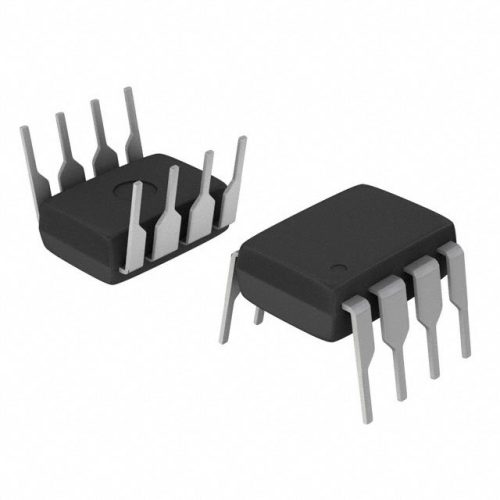
“Buy MAX9312ECJ+ Precision Voltage Comparator in DIP Package for Reliable Performance”
-
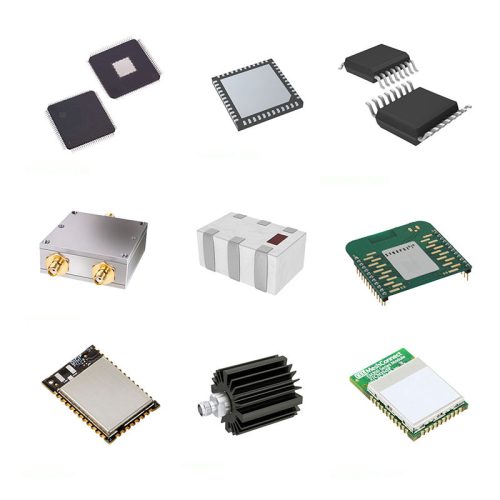
QCC-711-1-MQFN48C-TR-03-1 Bluetooth Audio SoC with MQFN48C Package

-

0339-671-TLM-E Model – High-Performance TLM-E Package for Enhanced Functionality

-
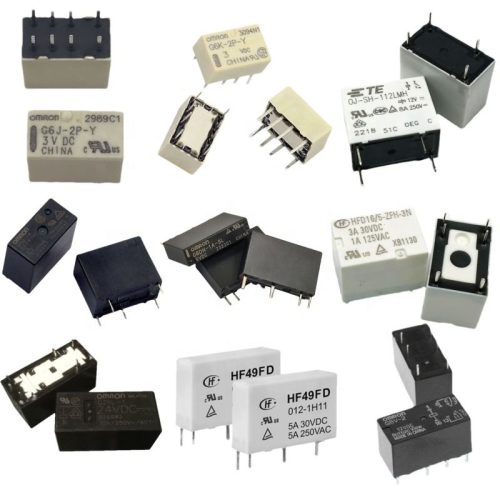
1-1415898-4 Connector Housing, Electrical Wire-to-Board, Receptacle, Packaged
What is the typical gain provided by this amplifier?
This amplifier offers a typical gain of 19 dB, enabling significant signal amplification with minimal distortion, which is critical for maintaining signal integrity in sensitive RF circuits.
How does the noise figure affect system performance?
The noise figure of approximately 3.5 dB indicates low signal noise contribution, which helps improve overall system sensitivity and allows for clearer